What Is a Roll In Shower? A Complete Guide for Accessible Living
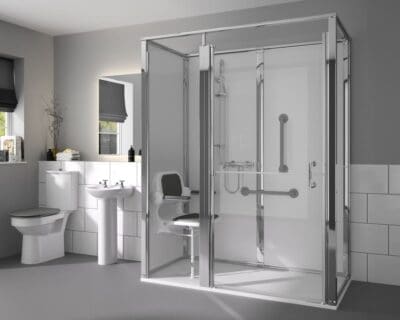
In this complete guide, we’ll walk you through what a roll in shower is, the real costs involved, and how...
In this complete guide, we’ll walk you through what a roll in shower is, the real costs involved, and how...
Experiencing difficulty getting out of the bath is a common problem for people with reduced mobility, balance issues or joint...
Discover disabled showers and baths designed to restore your independence. Expert installation, free home assessment, 20+ years trusted service. Call...
Explore small disabled wet room layout designs for accessible bathrooms. Level access, slip-resistant floors and more. Expert advice from Absolute...
A bathroom to wet room conversion could be one of the most important home improvements you’ll ever make for maintaining...
Understanding the key differences between a walk-in shower vs wet room can help you confidently create the perfect bathroom solution.
Here we have put together 15 accessible bathroom ideas worth considering as part of your bathroom adaptation.
Creating a safe, accessible bathroom space has never been more important, and our comprehensive wet room installation guide for 2025...
Here at Absolute Mobility, we are experts in transforming bathrooms, and passionate about changing lives. We see every day how...
Planning a walk in shower installation but unsure about costs? Walk in shower costs in the UK vary significantly based...
Discover walk-in bath costs in the UK for 2025. From basic models to luxury options, get expert advice on pricing,...
Understanding assisted bathing prices is essential when researching mobility solutions to transform your daily routine and restore independence in your...
Discover expert guidelines for care home bathroom requirements; learn accessibility standards, safety features, and design considerations for dignity & privacy.
Small doesn’t have to mean minimal. If you want your bathroom to reflect your style and truly maximise the space,...
If you, or someone you care for is unable to stand in a shower for long periods of time, a…
Should you choose a shower trayshower tray(shou-er tray)The base of a shower that holds the water. or a wet room?…
With the right safety adaptations, you can help protect your loved ones and give them the confidence to move around...
If you’re looking for accessible wet room ideas, here at Absolute Mobility, we understand the importance of merging functionality and...
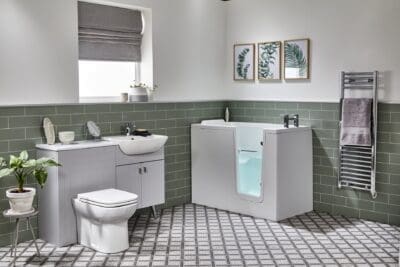
When making bathroom adaptations, it is not always possible to have both an mobility shower and a walk in bath. The bathroom is often the smallest room in the house, and the extra space required for mobility aids means that often, householders will have to decide whether to install a bath or a shower. This can be a difficult choice! Here are some points to consider.
With several areas of England currently under drought conditions, and soaring energy bills, the first question many people will consider is efficiency. In terms of water use, it seems that a shower wins out, if you tend to spend 10 minutes or less showering. A full bathtub takes about 50-80 gallons of water, whereas a ten minute shower uses about 25 gallons.
You can also buy low-flow shower heads which reduce your water consumption even further, and make hardly any difference to the quality of the shower. However, the answer depends on a lot of variables, such as how big the bathtub is, and how full you like it to be.
People with long hair may also need longer than 10 minutes in the shower to fully wash and condition their hair. Also, some people like to shower twice a day, whereas most people will only have time for one bath. So, there really is no straightforward answer.
The same goes for energy consumption. While it takes more energy to have a full hot bath, compared to a 10 minute shower, it again boils down to how full and capacious the bathtub is, and how long you spend in the shower.
Some people prefer the idea of a shower, because the dirt and oils are immediately rinsed of the skin and down the plughole. However, if the user has just undertaken light activities, then a bath is just as beneficial. It’s really just down to personal preference.
However, when it comes to the therapeutic benefits of soaking in water, a bath can be more advantageous. Older people who suffer from arthritis, or other aches and pains, may find that a longish soak in a warm bath is very soothing. This is because the warmth encourages tight muscles to relax, by increasing blood flow to the area.
For those who suffer from skin complaints such as eczema and dermatitis, bathing in dermatological oils can be really helpful. This is because the heat encourages the pores of the skin to open, and absorb the lubricating substances for a deep layer of moisture which boosts the skin’s hydration.
Most people find that a shower is an invigorating and refreshing experience, which sets them up for the day. It boosts the circulation and makes us feel more alert, especially if you are brave enough to have a cold shower!
On the other hand, the therapeutic benefits of soaking in warm water have been known since ancient times. It can lower levels of the stress hormone cortisol in the body, putting us in a calm and happy frame of mind, where we feel ready to tackle anything.
If you are interested in finding out more information about mobility bathrooms, call us on 01491 411041 or Request a free brochure.