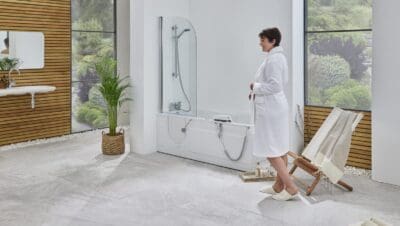
Should you choose a shower tray or a wet room? Few decisions impact your bathroom’s aesthetics and functionality quite like the shower solution you choose. If you are considering a new bathroom or a bathroom refit, understanding the key differences between wet rooms and shower trays is essential for making an informed choice that will serve your household for years to come. Here we explore the differences between wet rooms vs shower trays to help you discover which might work best for you and your family.
What is a Wet Room?
Definition and Key Features
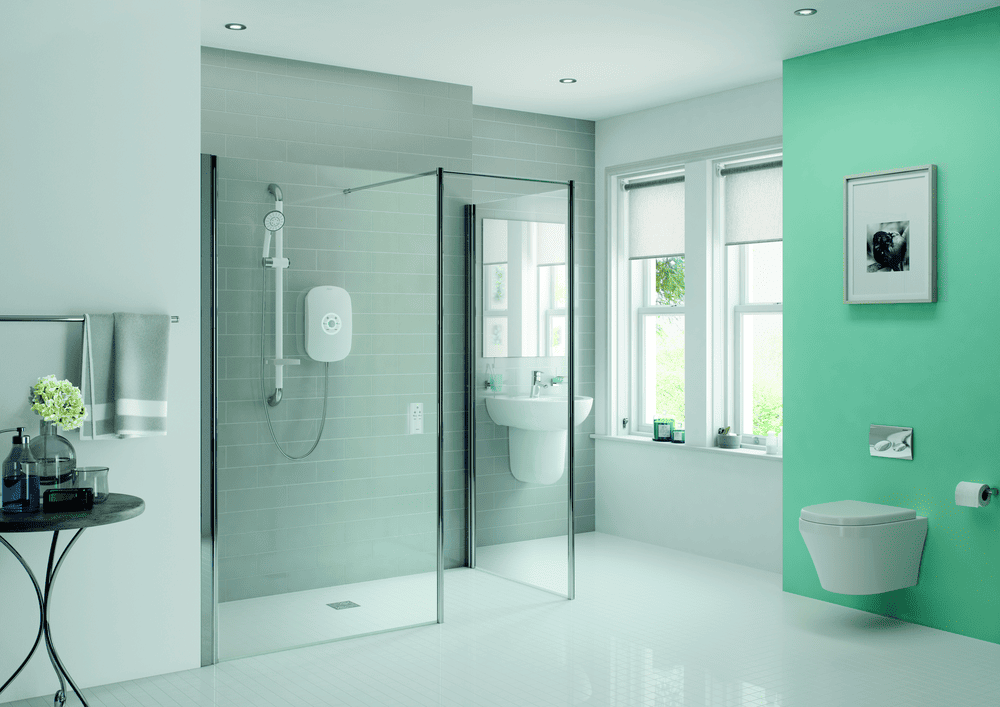
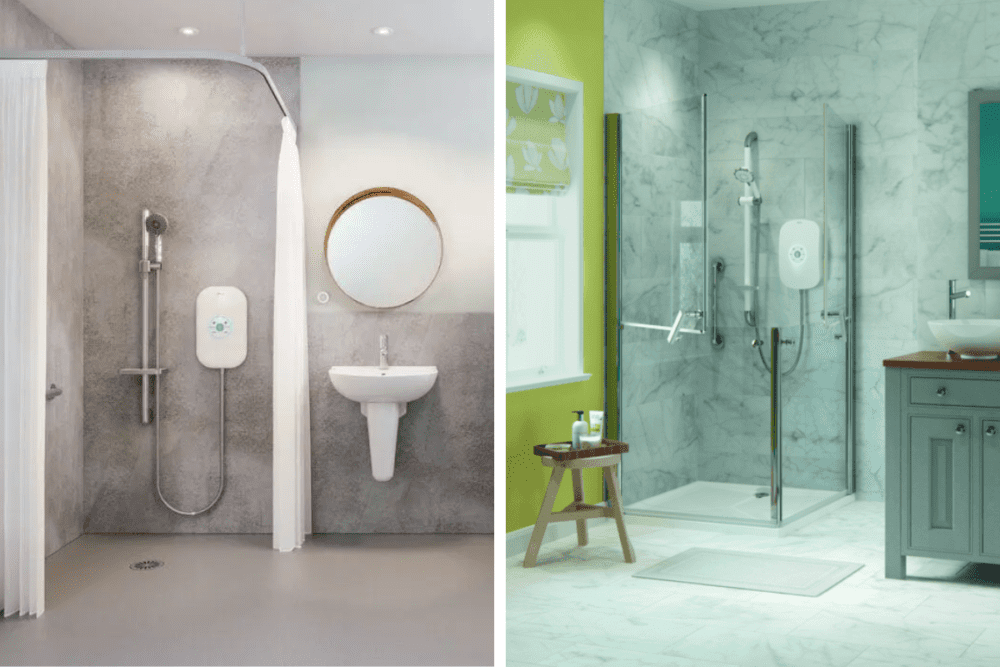
A wet room is exactly that – an open plan shower room with waterproofed floor and walls. The floor of a wet room is all on one level with no obstacles or shower enclosures, making it a great choice for anyone with mobility issues or those who prefer a ‘clean line’ aesthetic.
- Open-Plan Design – The floor of a wet room is level throughout with no step or lip obstacles for that classic seamless feel.
- Complete Waterproofing (Tanking) – Wet rooms are completely waterproofed with a specialised membrane system applied to walls and floors.
- Gradient Floor – Wet room floors are subtly sloped towards a drain to ensure proper water drainage.
- Linear or Central Drain – A wet room typically features either a discreet linear drain along one wall or a central drain point.
- Glass Screens (Optional) – Some wet rooms include a single glass panel/shower screen to separate from the rest of the room and contain splashes while maintaining the open plan feel.
- Underfloor Heating: Wet rooms often incorporate underfloor heating to help dry the floor quickly and prevent cold spots.

How Wet Rooms Work
A wet room creates a seamless space where your shower area flows naturally into the rest of the room – no bulky enclosure needed! Despite having no traditional shower tray or door, your bathroom stays perfectly dry where it needs to thanks to clever waterproofing and drainage systems. Wet rooms make an excellent choice for the savvy stylish homeowner looking to upgrade their bathroom.
Different Wet Room Styles
Your wet room renovation can become a blissful retreat that reflects your unique style. Wet rooms can really open up your bathroom and create the illusion of space, especially in smaller bathrooms where space is an issue. Whether you choose a sleek, minimalist design, or embrace a more luxurious feel with opulent details such as body dryers, wet rooms offer exceptional flexibility.
Creating an en-suite wet room in your master bedroom creates a spa-like feel with visual flow. For a tranquil vibe, incorporate natural elements like wood-effect porcelain tiles and stone textures, complemented by moisture-loving plants to bring the outdoors in.
What is a Shower Tray?
A shower tray (also called a shower base or shower pan) is a pre-formed, waterproof base unit that forms the floor of a traditional shower enclosure.
Definition and Key Features
Shower trays are the sturdy base you stand on while enjoying your daily shower. Thoughtfully engineered to keep water exactly where it belongs, these practical platforms channel water smoothly toward their built-in drain. With their waterproof design and solid construction, shower trays create a reliable foundation that protects your bathroom while providing a comfortable, stable surface for your daily shower.
- Raised Platform: Most shower trays are elevated slightly above the bathroom floor, creating a step or threshold into the shower area. However, not all shower trays are created equal! We can also recess the trays for level access, depending on your requirements.
- Built-in Drainage: Shower trays usually contain an integrated waste outlet positioned at the lowest point of the tray for water drainage and to prevent water damage.
- Various Shapes: Shower trays can come in a range of shapes sizes and configurations, including square, rectangular and many others.
- Range of Materials: Shower trays are commonly made from acrylic, but also come in a range of stone resin, ceramic, or natural stone composites
Types of Shower Trays
Shower trays are available in step-in, low-profile and level access options. They are also available in various shapes and sizes to fit standard shower enclosures:
Modern Shower Tray Innovations
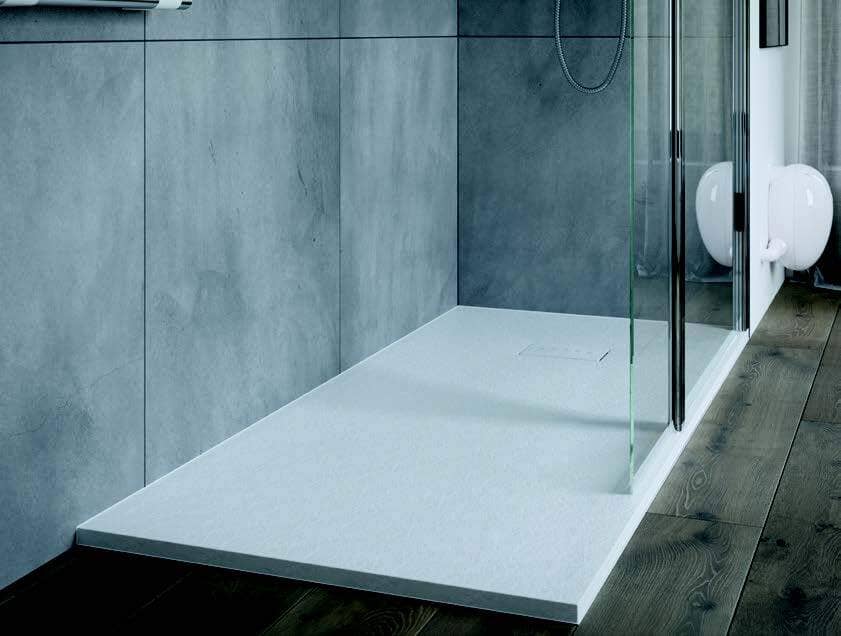
Today’s shower trays have evolved into design statements that blend style with smart functionality. Manufacturers have embraced exciting new materials like antibacterial composites that keep your shower fresher, along with sleek, ultra-thin engineered stone that gives your bathroom that high-end spa feeling.
Modern shower trays offer the option of thoughtfully designed textured surfaces that prevent slips and falls whilst adding visual interest to your space. Many modern shower trays feature clever touches like nearly invisible drains, easy-to-remove covers for simple cleaning, and a rainbow of colour options to perfectly complement your bathroom’s palette.
Whether you’re renovating or building from scratch, a contemporary shower tray offers the perfect balance of practicality and personality, allowing you to create a bathroom that truly feels like your own.
Wet Room vs Shower Tray: Comparing Costs
Initial Installation Expenses
Shower trays typically present the more budget-friendly option, with basic acrylic models proving the most affordable option. Premium stone resin or uniquely shaped trays can be more costly, depending on what you choose.
Wet rooms can require a bigger upfront investment due to the wall-to-wall waterproofing and bespoke configuration required. Professional tanking (waterproofing) costs alone can be more than you’d expect, with specialised drainage systems adding more to your initial outlay.
The extensive tiling required can also increase the cost of a wet room when compared to the smaller area needed for separate shower enclosures.
Long-term Maintenance Costs
While wet rooms can have a more significant investment initially, they often prove more economical over time.
When properly installed, wet rooms typically require only standard cleaning and occasional regrouting or resealing. Their easily- accessible nature makes them easy to clean too, reducing cleaning product expenses and effort.
Return on Investment Consideration
Wet rooms often boost your home’s value more than traditional shower trays. Home experts have found that a beautifully designed wet room can recoup almost all of its installation costs—about 85-100%—when you go to sell your home.
Wet rooms are particularly appealing if you’re selling to older buyers or those with mobility needs since the step-free design makes them accessible to everyone. Plus, they add that wow factor of modern luxury that can help your property stand out and sell faster in a competitive market.
That said, if you’re working with a tight budget or don’t plan to stay in your home long-term, a shower tray might be the smarter financial choice. They cost significantly less upfront and still do the job perfectly well for everyday use.
Accessibility Considerations
When designing a bathroom that works for everyone, accessibility means creating a space that offers independence, dignity, and safety for users of all abilities and ages. Both wet rooms and shower trays offer distinct advantages for those with mobility challenges, but their features differ significantly. Understanding these differences can help you create a bathroom that not only meets your current needs but also adapts to future changes in mobility and lifestyle.
Mobility and Safety Features
- Wet Rooms: Wet rooms excel in accessibility with their completely level floor design that eliminates any trip hazards or steps to navigate. This seamless entry allows for easy wheelchair access and accommodates mobility aids like walkers without obstruction.
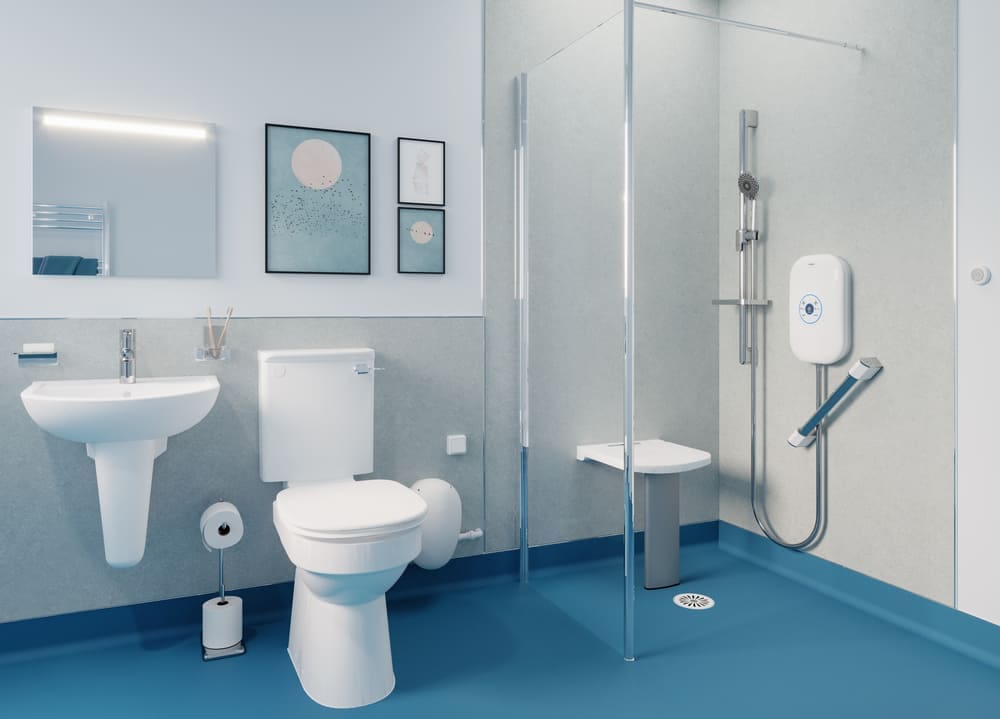
- Shower Trays: Slip-resistant shower trays can be installed to offer confidence and safety to those with mobility issues. Low-level shower trays can be paired with other accessible bathroom features such as grab rails to enhance accessibility. Additional features like built-in seating, adjustable-height showerheads, and easy-reach controls can be positioned optimally for each user’s specific requirements.
Ageing in Place Benefits
- Wet Rooms: For homeowners planning to remain in their homes as they age, wet rooms represent a forward-thinking investment that accommodates changing physical needs. The step-free design significantly reduces fall risks, which is an important consideration as balance and mobility naturally decline with age.
- Shower Trays: Low-profile shower trays provide a significant improvement over traditional bathtubs while requiring less extensive renovation than wet rooms. Today’s ultra-slim trays with heights of just 25-40mm create a much smaller step than older models, reducing trip hazards while maintaining water containment. For those not ready for complete bathroom remodelling, shower trays offer a more affordable middle-ground solution.
Adaptability for Changing Needs
- Wet Rooms: Wet rooms feature a completely open, barrier-free design that easily accommodates wheelchairs or walkers as mobility needs change. They also provide ample space for caregiver assistance if needed in the future. A wet room can support the addition of specialised equipment which might be required in the future (such as transfer seats) without major renovation or costly upgrades.
- Shower Trays: A shower tray provides a clearly defined shower area that helps those with visual or cognitive impairments. It is relatively low cost to replace a shower tray with lower-profile models as step-in height becomes challenging, giving flexibility and scope for adapting to your changing needs.

Space Requirements
Small Bathroom Solutions
Working with a compact bathroom doesn’t mean compromising on style or functionality. Even in standard bathrooms, there are many ways to create a sense of space. Wet rooms offer a particularly clever solution for small spaces by eliminating the need for a bulky shower enclosure. Without doors swinging into your limited floor area, you instantly gain valuable usable space.
If you prefer a shower tray in your small bathroom, look for space-efficient options. Modern low-profile trays with slim-line frames minimise visual bulk while still containing water effectively. Sliding or bifold doors eliminate the clearance space needed for traditional swing doors, freeing up precious floor areas in tight quarters.
Large Bathroom Possibilities
Generous bathroom dimensions open up exciting possibilities for creating truly luxurious shower experiences. With ample space to work with, wet rooms can become magnificent centrepieces—perhaps featuring dual rainfall showers or built-in seating areas.
For shower tray enthusiasts with large bathrooms, oversized trays create a sumptuous showering area without compromising on water containment. Consider walk-through designs with entry points on both sides, or double shower setups for couples who prefer to shower simultaneously but with personalised water temperature and pressure.
Wet Room vs Shower Tray: Which Option is Right for You?
Best Scenarios for Wet Rooms
If accessibility is a priority in your household, a wet room’s step-free, barrier-free design makes it the superior choice for anyone with mobility challenges or those planning to age in place. The ability to easily manoeuvre within the spacious shower area creates a bathroom that works for everyone regardless of physical ability.
Wet rooms also make perfect sense for family bathrooms that need to accommodate diverse needs—from small children who benefit from the absence of shower doors to adults who appreciate the sophisticated design. Their adaptability ensures your bathroom remains functional through various life stages without requiring additional renovations.
For some, a wet room style shower is the best approach.
Best Scenarios for Shower Trays
If you’re working with a tight renovation budget, shower trays provide significant cost savings over full wet room installations. The streamlined installation process requires fewer materials, making it considerably more affordable while still delivering an attractive, functional shower. For rental properties or homes you plan to sell in the near future, shower trays or walk in showers represent a safer investment. While wet rooms are increasingly popular, some potential buyers or tenants may still prefer the familiar contained shower experience, making shower trays the more broadly appealing option for property value considerations.
For Mr and Mrs Well’s, for example, an accessible shower tray was the correct option for their needs, space and design preferences.
Conclusion
The choice between a wet room and a shower tray ultimately comes down to the specific needs, preferences, and circumstances of you and your growing family. Both options offer distinct advantages that make them suitable for different situations.
For many homeowners, the ideal solution might even incorporate elements of both—perhaps a low-profile shower tray with an open, walk-in enclosure that delivers some of the visual appeal of a wet room while maintaining the practical benefits of contained showering.
Whatever you choose, today’s innovative bathroom solutions allow you to create a shower space that perfectly balances your practical requirements with your design vision. If you’re considering the conundrum of a shower tray vs wet room, get in touch with one of our friendly advisors who will be only too happy to help you find the perfect solution for you.
FAQs
Is it better to have a wet room or a shower tray?
Neither option is universally “better” as each has distinct advantages depending on your personal needs. Wet rooms offer superior accessibility and a contemporary aesthetic, maximising space in smaller bathrooms. Shower trays provide more affordable installation and familiar functionality. Your best choice depends on factors like your budget, space constraints, accessibility requirements, and design preferences.
What are the downsides of a wet room?
The main downsides of wet rooms include higher installation costs, more complex and time-consuming installation, and potential issues with water containment if not properly installed. They offer less privacy in shared bathrooms and can feel drafty in larger spaces or colder climates. Retrofitting them into existing properties can present challenges, especially in older buildings with wooden floors. However, the experts at Absolute Mobility are here to help guide you through these challenges to find the perfect solution for you.
Is a wet room more expensive than a shower room?
Yes, wet rooms typically cost significantly more to install than traditional shower enclosures with trays. The comprehensive waterproofing (tanking) required for wet rooms is labour-intensive and requires specialised materials. Creating the proper floor gradient for drainage often involves additional structural work, and wet rooms generally require more extensive tiling throughout the space. However, while the initial investment is higher, properly installed wet rooms can offer excellent longevity and potentially add more value to your property.
Do you need a shower tray for a wet room?
No, by definition, a wet room does not use a traditional shower tray. Instead, the entire bathroom floor is waterproofed and slightly sloped toward a drain, eliminating the need for a raised tray or enclosure. However, some modern solutions offer “wet room look” options that use ultra-low-profile shower formers or trays that sit beneath the floor tiles, creating the visual appearance of a wet room while providing some of the installation benefits of a pre-formed base. These hybrid solutions can be an excellent middle ground for some installations.
Does a wet room add more value to my property than a standard shower?
In most cases, a well-designed wet room will add more value to your property than a standard shower, particularly in higher-end properties or urban markets. Wet rooms are especially valuable in properties that might appeal to older buyers or those with mobility needs. However, in budget properties or areas where traditional bathrooms are strongly preferred, the premium may be less significant.
Are wet rooms more difficult to install than traditional shower trays?
Yes, wet rooms are considerably more complex to install than traditional shower trays. While a shower tray installation might take a few hours for a professional, wet room installation typically requires 3 to 5 days of professional work.
Are wet rooms completely waterproof, or can they cause damp issues?
When properly installed by qualified professionals, wet rooms should be completely waterproof and should not cause damp issues. The tanking (waterproofing) process creates an impermeable membrane that prevents water from penetrating the underlying structure. However, if corners are cut during installation or inappropriate materials are used, water can potentially find its way into walls or floors, causing significant damage over time.