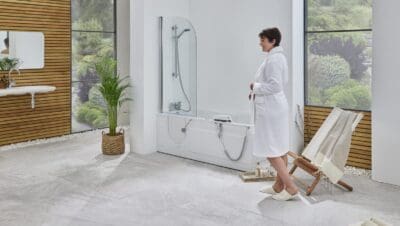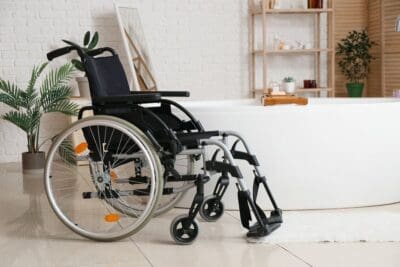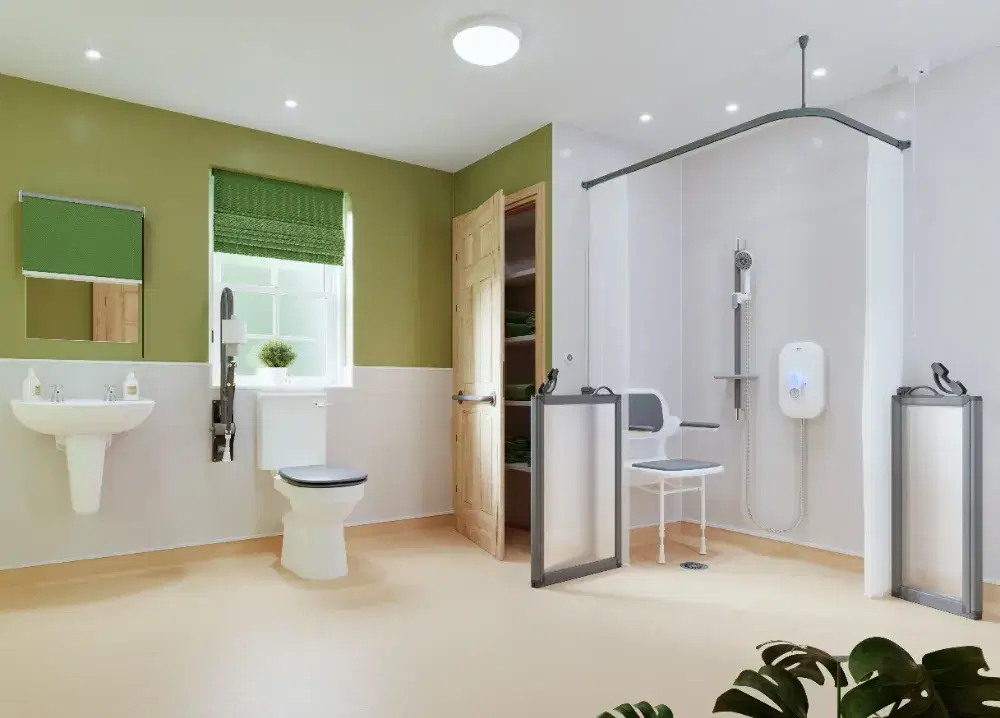
A bathroom to wet room conversion could be one of the most important home improvements you’ll ever make for maintaining independence and safety. Whether you’re planning for the future or caring for a loved one with mobility challenges, a wet room conversion offers a practical solution that transforms your daily bathing experience.
This comprehensive guide walks you through everything you need to know – from understanding what’s involved and typical bathroom to wet room conversion costs, to choosing the right features and finding trusted installers. We’ll help you make an informed decision about whether a level-access wet room is the right choice for you and your home.
What Is a Bathroom to Wet Room Conversion?
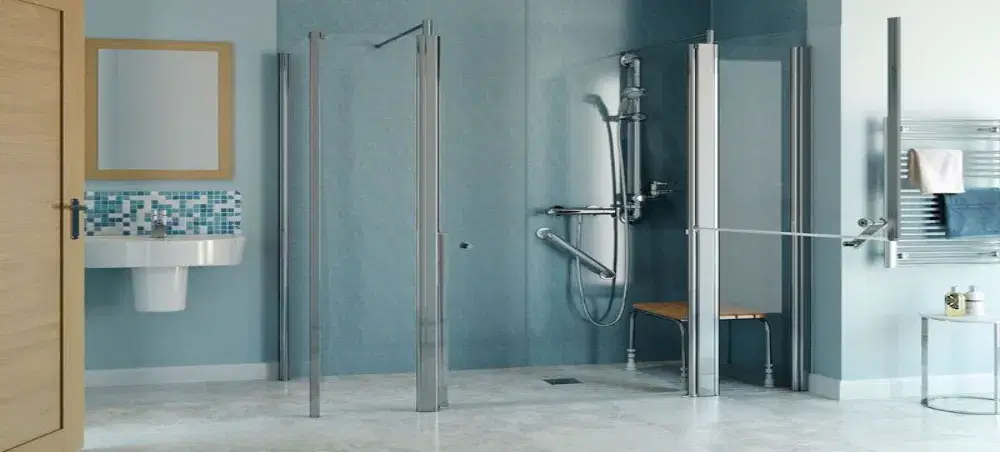
A bathroom to wet room conversion involves removing traditional bathroom fixtures like baths and shower trays to create a fully waterproofed, level-access showering space.
The process includes installing specialised tanking systems, gradient flooring for drainage, and slip-resistant surfaces, creating a barrier-free environment ideal for wheelchair users and people with mobility challenges.
Key Differences Between Traditional Bathrooms and Wet Rooms
Traditional bathrooms feature distinct zones with raised edges – shower trays, bathtubs, and separate flooring materials. You’ll typically find standard tiles or vinyl outside the bathing area, with water contained by physical barriers like shower doors or curtains.
Wet rooms revolutionise this layout completely. The entire floor is level access with a gentle gradient leading to the drain, eliminating all thresholds. Professional tanking waterproofs every surface to create one continuous, sealed environment.
For those with mobility needs, these differences are life-changing. Where traditional bathrooms require stepping, climbing, or squeezing into confined spaces, wet rooms provide unrestricted access. Wheelchairs can roll straight in, walking frames have ample space, and carers can assist without awkward positioning around fixed barriers.

Types of Wet Room Installations for Different Mobility Needs
- Standard Level-Access Wet Room Perfect for those planning ahead or experiencing mild mobility issues. Features include anti-slip flooring, a single gradient to the drain, and an optional glass shower screen for containing spray. Suitable for independent users who want to future-proof their home.
- Full Wheelchair-Accessible Wet Room Designed with a 1500mm x 1500mm turning circle, these bathroom installations include wall-mounted fixtures to maximise floor space, fold-down seats positioned at transfer height, and strategically placed grab rails. The gradient is carefully calculated to allow easy wheelchair manoeuvrability while ensuring efficient drainage.
- Assisted-Care Wet Room Created for those requiring carer support, these feature more expansive spaces (minimum 2000mm x 2000mm), dual thermostatic controls accessible from both inside and outside the wet area, and specialised equipment mounting points for hoists or shower chairs. Privacy screens can be positioned to maintain dignity while allowing carer access.
- Compact Conversion Wet Room Ideal for smaller bathrooms or en-suites, these maximise every inch through clever design. Corner drains optimise usable space, wall-hung toilets and basins free up floor area, and sliding doors or half-height screens provide water management without cramping movement. Even bathrooms as small as 1500mm x 2000mm can be successfully converted to a wet room.
Each type of wet room conversion can be further customised with specific features such as adjustable-height fixtures or emergency alarm systems, ensuring your wet room perfectly matches your current and future needs.
Benefits of Converting Your Bathroom to a Level-Access Wet Room
Deciding to convert your bathroom to wet room brings immediate practical benefits while protecting your long-term independence.
Beyond the obvious accessibility improvements, wet rooms offer surprising advantages that enhance daily life, add value to your home, and provide peace of mind for both you and your family. Let’s explore the specific advantages that make wet rooms an intelligent investment in your well-being.
Safety and Accessibility Advantages
The most immediate benefit of a wet room is the dramatic reduction in accident risk. With no bath edges to climb over or shower lips to trip on, the level-access design removes the primary cause of bathroom falls. Statistics show that 80% of falls happen in bathrooms – wet rooms virtually eliminate these hazards.
The open design means no more squeezing into cramped shower cubicles or struggling with shower doors that can throw you off balance. For wheelchair users, the barrier-free entry means independent transfers without assistance.
Future-Proofing Your Home for Ageing in Place
Installing a wet room now, while you’re still mobile, means you’ll never face the disruption of emergency bathroom modifications later. It’s a practical investment that ensures your home can accommodate changing needs without future renovation stress or expense.
This forward-thinking approach also protects your home’s value. Accessible bathroom features are increasingly sought-after, with research showing that homes with level-access bathrooms sell faster and often command premium prices.
How Wet Rooms Support Independent Living
A wet room restores the ability to maintain personal hygiene privately and with dignity. Many clients describe the emotional relief of not having to ask for help with something as personal as bathing. This independence has profound effects on mental well-being and self-esteem.
For those living alone, wet rooms provide confidence to continue solo living safely. Family members gain peace of mind knowing their loved one can bathe without supervision or accident risk. This flexibility means you can remain in your beloved home longer, maintaining routines and connections that matter most.

How Long Does a Bathroom to Wet Room Conversion Take?
Most bathroom to wet room conversions take between 7 and 10 working days from start to finish, though this can vary depending on your bathroom’s size, existing condition, and chosen specifications. We understand that being without your main bathroom is disruptive, which is why our experienced teams work efficiently to minimise inconvenience while never compromising on quality.
The good news is that much of the preparation work – including design, ordering materials, and planning – happens before we start on-site, reducing the actual installation time. We’ll provide a detailed schedule before work begins, so you can plan accordingly. If you have a second bathroom or a downstairs toilet, the disruption is far more manageable. For those with only one bathroom, we can discuss temporary solutions to ensure your essential needs are met throughout the conversion.
Typical Timeline for Standard Wet Room Conversions
- Day 1: Strip Out and Preparation Removal of existing bath, tiles, flooring, and fixtures. The space is prepared and assessed for any hidden issues with plumbing or structure.
- Days 2-3: Plumbing and Electrical Work Pipework is reconfigured for the new waste position and shower location. Any electrical adjustments for lighting, pumps, or heated flooring are completed. Building control inspection if required.
- Days 4-5: Tanking and Waterproofing The critical waterproofing membrane is applied to all surfaces. This includes multiple layers with drying time between applications. Gradient boarding is installed to create the correct fall to the drain. This stage cannot be rushed as proper tanking is essential for a leak-free wet room.
- Days 6-7: First Fix Installation Shower waste and trap fitted. Walls prepared for tiling. Underfloor heating mat laid if specified.
- Days 8-9: Tiling and Grouting Floor and wall tiles carefully installed with appropriate falls. Epoxy grouting applied for complete water resistance. Silicone sealing around all joints.
- Day 10: Final Installation and Commissioning Shower valve, controls, screen (if required), grab rails, and accessories fitted. Final testing of all drainage and waterproofing. Complete cleaning and handover with care instructions.
Factors That May Extend Installation Time
Structural Modifications Older properties may need floor strengthening to support the new gradient and tiled surface. Uneven floors require additional leveling work. If walls need reinforcing for grab rails or mounted seats, this adds 1-2 days.
Unexpected Discoveries Hidden pipe leaks, rotten floorboards, or inadequate existing drainage often only become visible once the old bathroom is removed. While our initial survey catches most issues, some problems remain hidden until the strip-out phase. We’ll always discuss findings and solutions before proceeding.
Complex Drainage Requirements If your existing waste pipe can’t accommodate the new drain position, or if you’re converting a bathroom to wet room upstairs, expect an additional 2-3 days. Properties with concrete floors may need channel cutting for pipework.
Custom Features and Finishes Underfloor heating requires extra drying time before tiling. Large-format tiles or intricate patterns take longer to install than standard options. Bespoke glass screens, specialized grab rail configurations, or multiple shower heads extend the timeline.
Despite these potential delays, we maintain clear communication throughout, updating you immediately if timelines need adjusting and explaining exactly why additional time is needed.
How Much Does a Bathroom to Wet Room Conversion Cost?
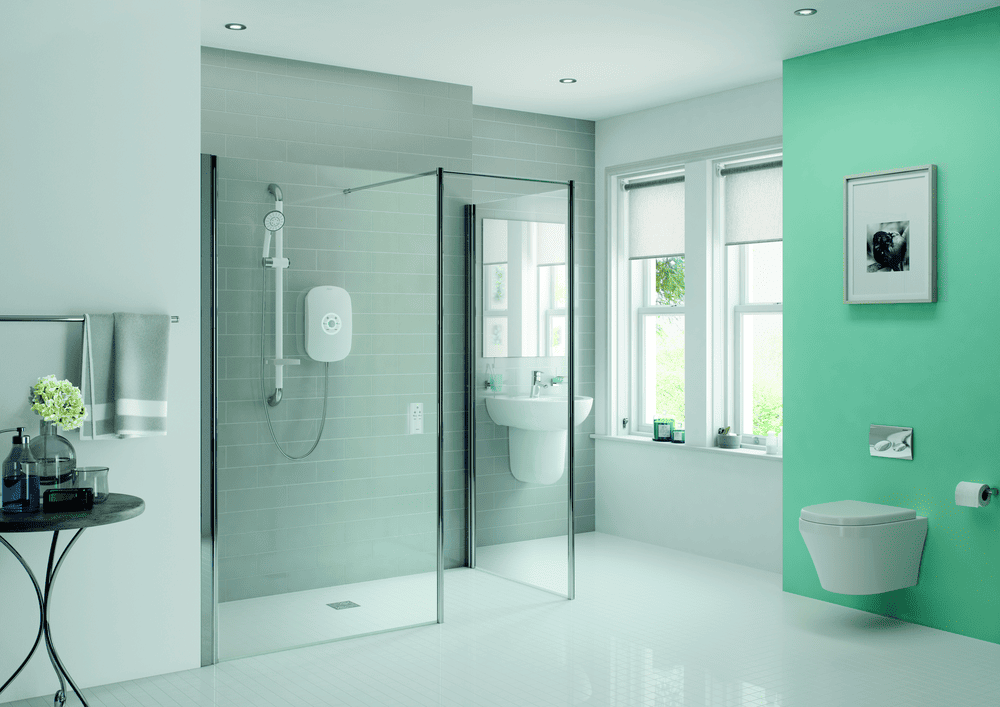
The cost of a wet room begins around £12,000 for basic conversions finished to a high standard and in suitable ground-floor locations. Comprehensive installations including floor lowering, tanking, drainage, floor joist reinforcement or enhanced ventilation systems, can inflate that cost.
These prices include labour, materials, waterproofing, tiling, and certification. Most reputable installers offer free assessments to provide accurate quotes based on your specific bathroom. Remember that VAT relief may apply if you have a chronic illness or disability, reducing costs by 20%. Local authority grants can also cover some or all expenses for qualifying individuals.
Factors That Affect Wet Room Installation Prices
We are always honest and upfront when providing our quotes to you, ensuring you never receive a surprise addition at the end of the work. However, in the spirit of transparency, you should be aware that the following things can affect standard wet room installation prices:
- Room Size and Layout: Larger bathrooms need more tanking material, tiles, and labour time. Unusual shapes or awkward layouts increase complexity and cost.
- Existing Bathroom Condition: Removing old tiles and fixtures from well-maintained bathrooms is straightforward. Dealing with damaged floors, leaking pipes, or structural issues adds cost.
- Drainage Requirements: Ground floor installations with easy drain access cost less. Upstairs conversions may need pumped waste systems or floor alterations which can all add up.
- Location and Access: Properties with difficult access, parking restrictions, or multiple flights of stairs can sometimes incur higher labour costs, but we will include this at the time of quotation.
Is a Wet Room Right for You? Assessment Guide
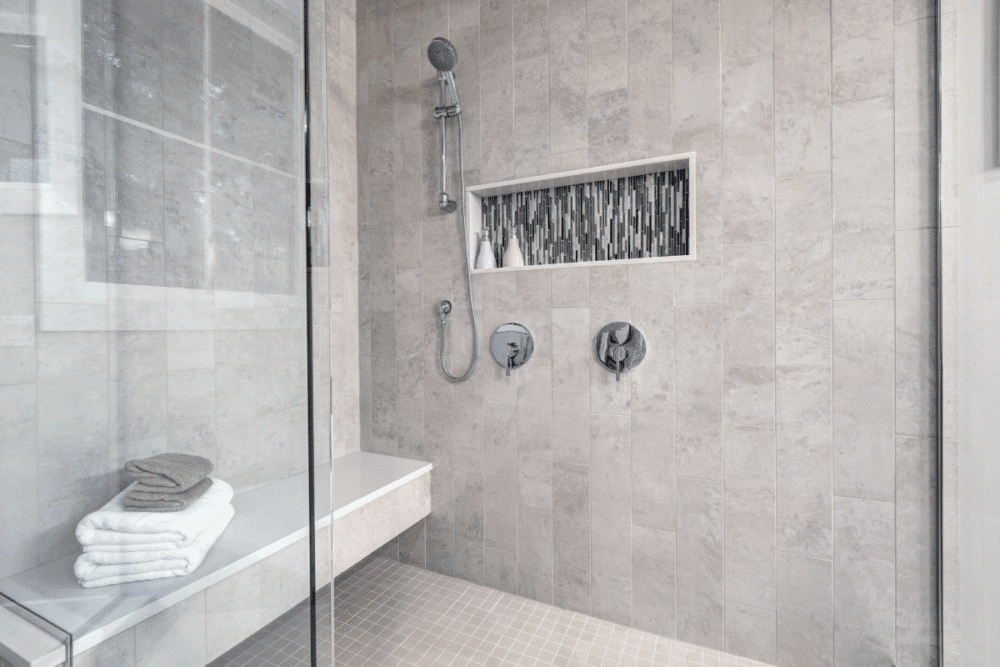
Not every bathroom situation calls for a complete wet room conversion, and it’s important to make the right choice for your specific needs, budget, and property. This assessment guide helps you evaluate whether a wet room is your best option or if alternatives like walk-in showers might better suit your requirements.
Consider your current mobility, future needs, available space, and how long you plan to stay in your property.
Who Benefits Most from Bathroom to Wet Room Conversions
Wheelchair users find wet rooms transformative, offering complete independence with roll-in access and space for transfers.
People with progressive conditions like MS, Parkinson’s, or arthritis future-proof their homes before mobility significantly declines.
Elderly homeowners planning to age in place eliminate trip hazards while maintaining dignity and reducing reliance on carers.
Carers and family members appreciate the space to assist safely without awkward positioning around bath edges.
Anyone recovering from hip or knee surgery benefits from temporary or permanent accessibility without bathroom modification stress.
Properties with small bathrooms actually gain usable space by removing bulky baths and shower enclosures.
Wet Rooms vs Walk-In Showers vs Mobility Baths
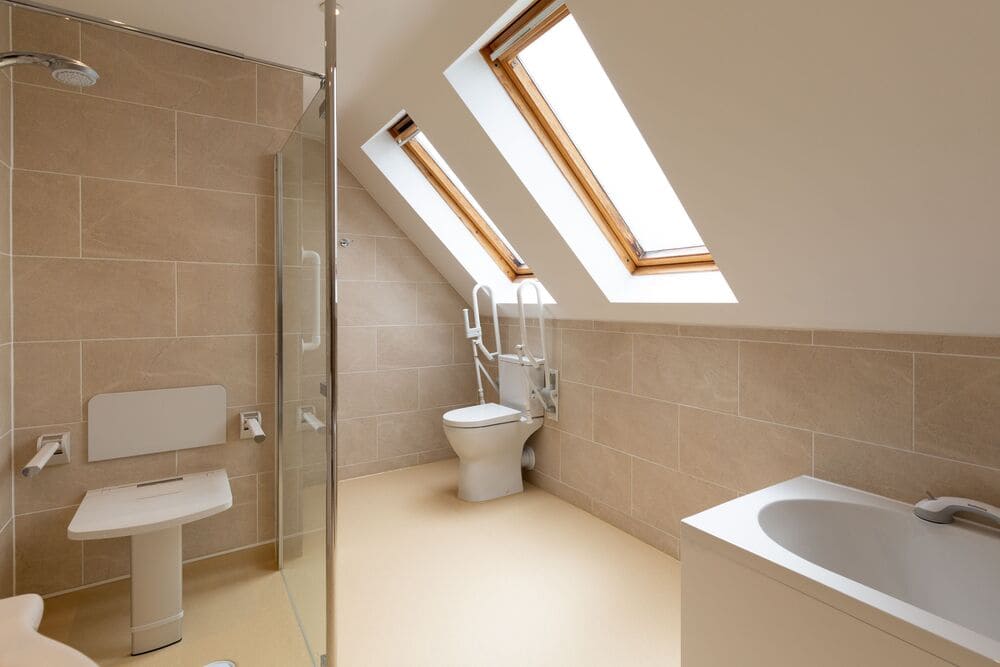
Wet rooms offer complete level access with the entire room waterproofed, ideal for wheelchairs and providing maximum flexibility for changing needs. Installation is more complex but provides the best long-term solution.
Walk-in showers feature a low threshold rather than completely level access, cost less to install, and work well for those who can manage a small step.
Mobility baths with doors allow traditional bathing for those who prefer baths, but still require stepping in, waiting for fill/drain, and don’t suit wheelchair users.
Wet rooms remain the gold standard for accessibility, while walk-in showers suit moderate mobility needs, and mobility baths work only if bathing is essential to wellbeing and standing is manageable.
Space and Structural Requirements
Minimum practical wet room size is 1500mm x 1500mm, though we’ve successfully converted bathrooms as small as 1400mm x 1800mm with clever design.
Wheelchair-accessible wet rooms need a minimum 1500mm turning circle. The floor must support tiled surfaces and gradient boarding – wooden floors usually need strengthening, while concrete floors are ideal.
Adequate drainage fall requires 20-30mm floor build-up, which may affect door thresholds.
Walls need waterproof tanking to a minimum height of 1800 mm, preferably to the ceiling. Proper ventilation is essential – existing windows help, but mechanical extraction is sometimes needed.
Essential Wet Room Features for Safety and Comfort
The right safety features and comfort additions transform a functional space into one that actively supports your independence and confidence. These carefully chosen elements work together to prevent accidents, reduce strain, and make daily bathing a comfortable experience rather than a challenging task.
Non-Slip Flooring Options
Our non-slip bathroom flooring is designed to provide extra grip, especially in wet and humid conditions, reducing the chances of slips and falls. With a secure grip and warm, comfortable feel underfoot, you and your loved ones can enjoy peace of mind. Choose from various colours and enjoy a beautifully designed bathroom with slip-resistant flooring, matching your desired style.
Grab Rails and Support Systems
Strategic grab rail placement makes the difference between independence and requiring assistance. Bathroom grab rails are the perfect solution for those who struggle with balance or experience mobility challenges. We offer a selection of sizes and designs that provide a secure handhold for those who need extra support, reducing the risk of slips and falls – giving you and your loved ones peace of mind.
Thermostatic Controls and Anti-Scald Features
A thermostatic wet room shower valves maintain water at your chosen temperature, even when someone uses another tap, regardless of pressure fluctuations. Some models feature cool-touch technology, which keeps the valve body safe to touch and prevents burns from accidentally grabbing hot metal. Remote controls allow carers to adjust the temperature from outside the wet area when assisting vulnerable users.
Shower Seating Solutions
Wall-mounted fold-down seats save space while providing stable seating exactly where needed. Padded options offer comfort, while slatted designs drain quickly and reduce slip risk. Freestanding shower stools offer flexibility but ensure they have non-slip feet and rust-proof frames.
Small Bathroom to Wet Room: Maximising Limited Space
Don’t let a small bathroom discourage you from creating the accessible space you need. We’ve successfully converted bathrooms as compact as 1400mm x 1800mm into fully functional wet rooms that feel surprisingly spacious.
By eliminating the bulky bath and shower enclosure, you’ll immediately gain valuable floor space for easier movement. With the right approach, your compact bathroom can become a perfectly functional wet room that doesn’t compromise on safety or comfort.
Design Solutions for Compact Spaces
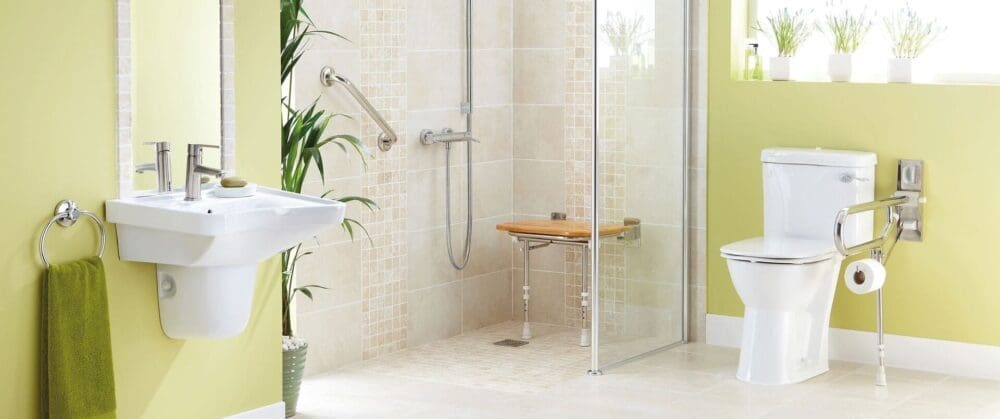
Corner waste drains maximise usable shower area by positioning drainage away from the room’s centre, giving you more standing and turning space. Wall-hung toilets and basins free up precious floor space while making it easy to clean – the exposed floor creates an illusion of more room. Sliding doors or half-height screens manage water spray without the swing space needed for traditional doors.
Recessed storage niches built into walls during tanking eliminate the need for protruding shelves or cabinets. Large-format floor tiles with minimal grout lines reduce visual clutter, making spaces feel larger, while light colours and good lighting enhance the sense of openness.
Clear glass screens maintain sightlines where full open-plan isn’t practical, preserving the spacious feel while containing water spray.
Combined Toilet and Wet Room Layouts
Integrating toilets into wet rooms requires thoughtful positioning to maintain comfort and practicality. Position toilets away from the direct shower spray – typically on the wall opposite or perpendicular to the shower head, ensuring the seat stays dry during showering.
Half-height partition walls (1200mm) provide privacy and spray protection without closing in the space, doubling as mounting points for grab rails and toilet roll holders.
Choose wall-mounted toilets with concealed cisterns to simplify floor cleaning and reduce water damage risk to the boxing. For the smallest spaces, corner toilets maximise room while maintaining comfortable access.
Maintenance and Care for Your New Wet Room
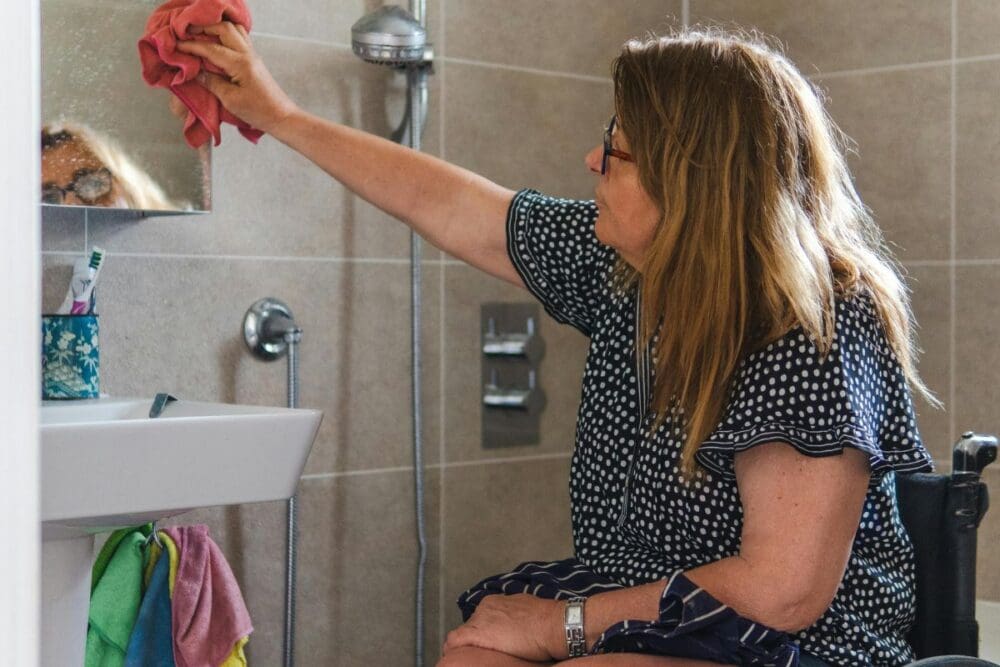
Your new wet room is designed for minimal maintenance, making it easier to keep clean independently for longer. We’ll provide full care instructions during handover, but these simple habits will protect your investment and ensure your wet room continues supporting your independence for years to come.
Daily and Weekly Cleaning Routine
Daily: Simply squeegee walls and floors after showering to prevent water marks and limescale – takes just 30 seconds and can be done seated if needed. Hang bath mats outside the wet area to dry properly.
Weekly: Pour hot water down the drain to prevent soap build-up. Clean the drain cover by lifting and rinsing (most modern designs simply lift out). Mop the floor with a diluted floor cleaner suitable for your tile type.
Preventing Limescale and Maintaining Drainage
Limescale prevention starts with daily squeegeeing – removing water before minerals can deposit on surfaces. Install a water softener if you’re in a hard water area (most of England) to dramatically reduce limescale formation.
For stubborn deposits, use white vinegar or citric acid-based cleaners rather than harsh chemicals that damage grout and anti-slip coatings. Spray weekly on taps, shower heads, and glass, leaving for ten minutes before rinsing.

Why Choose Absolute Mobility for Your Wet Room Conversion
We have been creating accessible bathrooms across the UK since 2009. We understand that a wet room conversion is about more than just installation – it’s about maintaining your independence and dignity.
Our team includes specialist bathroom installers trained in accessibility requirements, not general builders learning on the job. We ensure every wet room meets individual mobility needs while exceeding British Standards.
Unlike larger companies that subcontract work, our employed teams take personal pride in each installation. We’re Which? Trusted Trader approved, and rated 5 stars on Checkatrade. Most importantly, we listen to what matters to you, creating solutions that work for your specific situation rather than pushing standard packages.
Our Installation Process and Guarantees
- Initial assessment: Free home visit to evaluate your bathroom, discuss your needs, and provide a fixed-price quote with no hidden costs.
- Design confirmation: Detailed plans showing exact layout, fixtures, and finishes for your approval before work begins.
- Quality checks: Stage inspections throughout installation, including waterproof testing before tiling and complete drainage tests.
- Handover: Complete demonstration of all features, care instructions, and emergency contact information.
Comprehensive guarantees: Our installations offer a lifetime warranty and each product is subjected to their own warranty. All work is Building Regulation certified and signed off by qualified inspectors. If any issues arise from our workmanship, we’ll fix them free of charge – no quibbles, no delays.
Ready to Transform Your Bathroom to Wet Room? Next Steps
Taking the first step toward your bathroom to wet room conversion is simple and completely pressure-free. We understand this is a significant decision that affects your daily life, so we provide all the information you need without pushy sales tactics.
Book Your Free Home Assessment
Call 0800 292110 to speak with our friendly team, who’ll answer initial questions and arrange a convenient assessment time. You can also order a free brochure to look through your options in comfort at home. If you decide to proceed, we typically schedule installations within 4-6 weeks, though urgent cases can be prioritised. Ready to regain your bathing independence?

Frequently Asked Questions
Can you turn any bathroom into a wet room?
Most bathrooms can be converted, including small spaces and upstairs rooms. The main requirements are adequate drainage possibilities and walls strong enough for waterproofing. Very narrow bathrooms (under 1400mm wide) may be challenging, but we’ll assess your specific situation during a free consultation to confirm suitability.
How much does it cost to convert a bathroom to a wet room?
Bathroom to wet room conversions typically start at £12,000. VAT exemption applies if you have a chronic illness or disability, saving 20%. Disabled Facilities Grants up to £30,000 may also be available.
How long does it take to convert a bathroom to a wet room?
Most conversions take 7-10 working days from start to finish. We’ll provide a detailed timeline during your assessment so you can plan accordingly.
What are the downsides of a wet room?
Initial cost is higher than standard bathroom updates. The room can feel cooler without underfloor heating. Water spray travels further without screens, potentially wetting toilet paper and towels if not positioned carefully. Installation is disruptive for 7-10 days. However, most customers find these minor inconveniences far outweighed by the independence and safety benefits.
Can any bathroom be converted to a wet room?
Almost any bathroom can become a wet room with proper planning. Ground floor conversions are straightforward, while upstairs bathrooms may need pumped drainage. Solid floors are ideal, but wooden floors can be reinforced. Even bathrooms as small as 1400mm x 1800mm work with clever design.
Do I need planning permission to turn my bathroom into a wet room?
Planning permission isn’t usually required unless you live in a listed building or are altering external drainage. However, Building Regulations approval is necessary for the waterproofing work. We handle all required applications and inspections as part of our service.
Can I convert an upstairs bathroom into a wet room?
Yes, upstairs wet rooms are common and successful. We’ll check your floor structure to see if it can support tiling and install pumped waste systems if gravity drainage isn’t possible. Extra attention to waterproofing protects rooms below. Thousands of upstairs wet rooms are installed annually without issues.
Is my bathroom too small for a wet room conversion?
Wet rooms actually work brilliantly in small bathrooms, creating more usable space by removing bulky baths and shower enclosures. We’ve successfully converted bathrooms as small as 1400mm x 1800mm. The open design makes compact spaces feel larger while improving accessibility.