Understanding the key differences between a walk-in shower vs wet room can help you confidently create the perfect bathroom solution. Choosing between a walk-in shower and a mobility wet room can feel overwhelming – but it doesn’t have to be.
At Absolute Mobility, we’ve helped thousands of families navigate this important decision. From costs and installation requirements to accessibility features and long-term benefits, in this guide we’ll walk you through everything you need to know so you can make the right choice for you and your family.
What’s the Difference Between Walk in Showers and Wet Rooms?
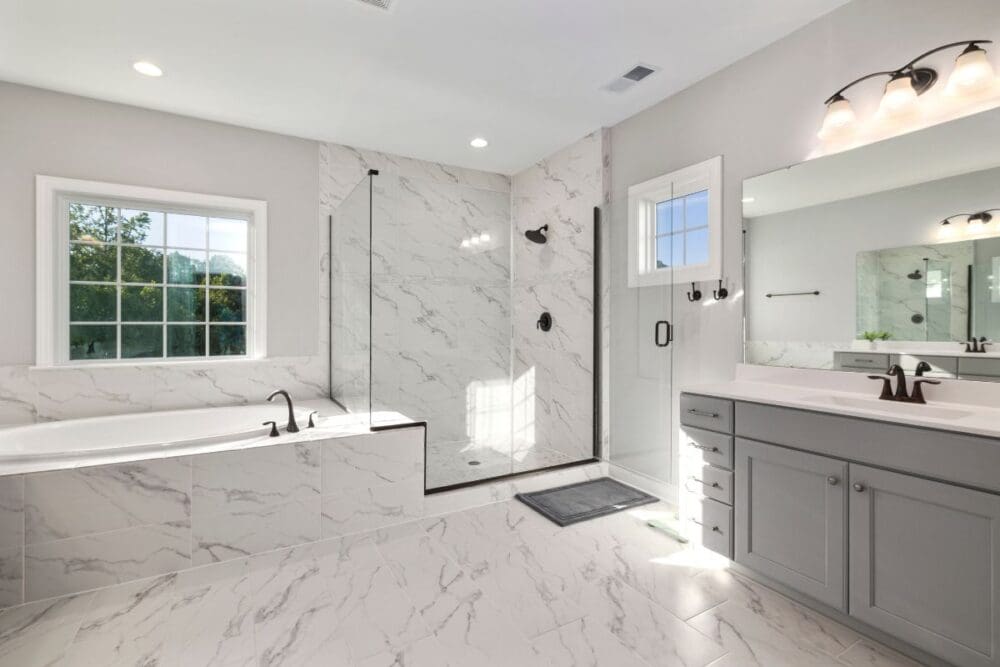
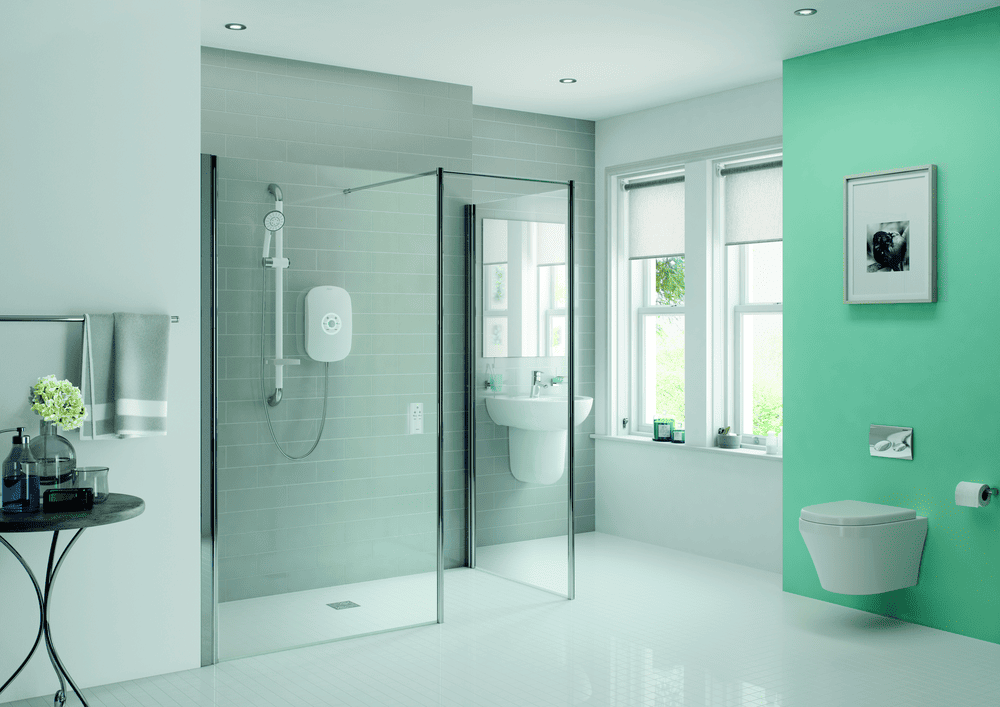
The main difference lies in the waterproofing and design. A walk-in shower features a dedicated shower area with a tray or base to contain water, while a wet room is completely waterproofed from floor to ceiling, allowing water to flow freely across the entire floor to a central drain.
Walk-in showers offer a more traditional bathroom layout with defined wet and dry zones, whereas wet rooms create a fully open, barrier-free bathing space that maximises accessibility and better accommodates wheelchairs and mobility aids.
Walk in Shower Definition and Key Features
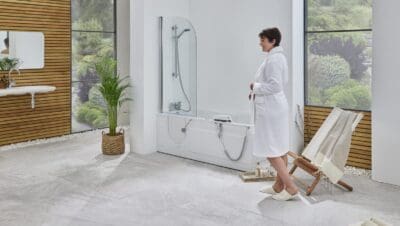
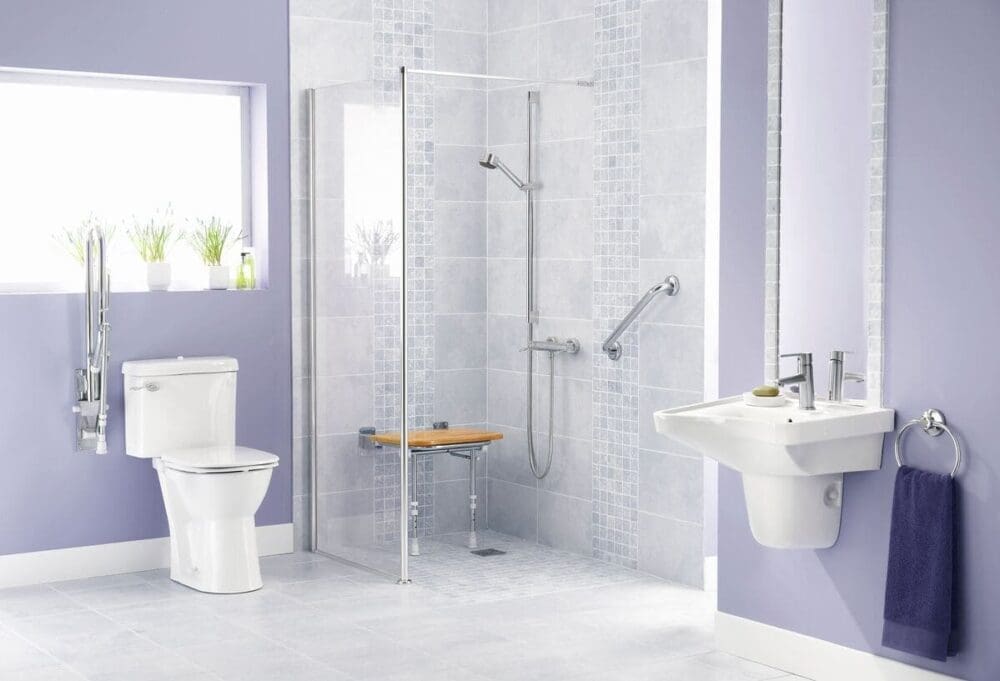
A walk-in shower is an accessible showering solution with no step or low-level entry, typically featuring a shower tray, glass shower screen or door, and standard bathroom flooring outside the shower area.
Key features include:
- Easy access with minimal or no threshold
- Grab rails for safety
- Fold-down shower seats
- Thermostatic controls
- Anti-slip shower trays
Walk in showers work within existing bathroom layouts and offer excellent accessibility while maintaining separate wet and dry areas, making them ideal for shared bathrooms where other family members need standard facilities.

Wet Room Definition and Key Features
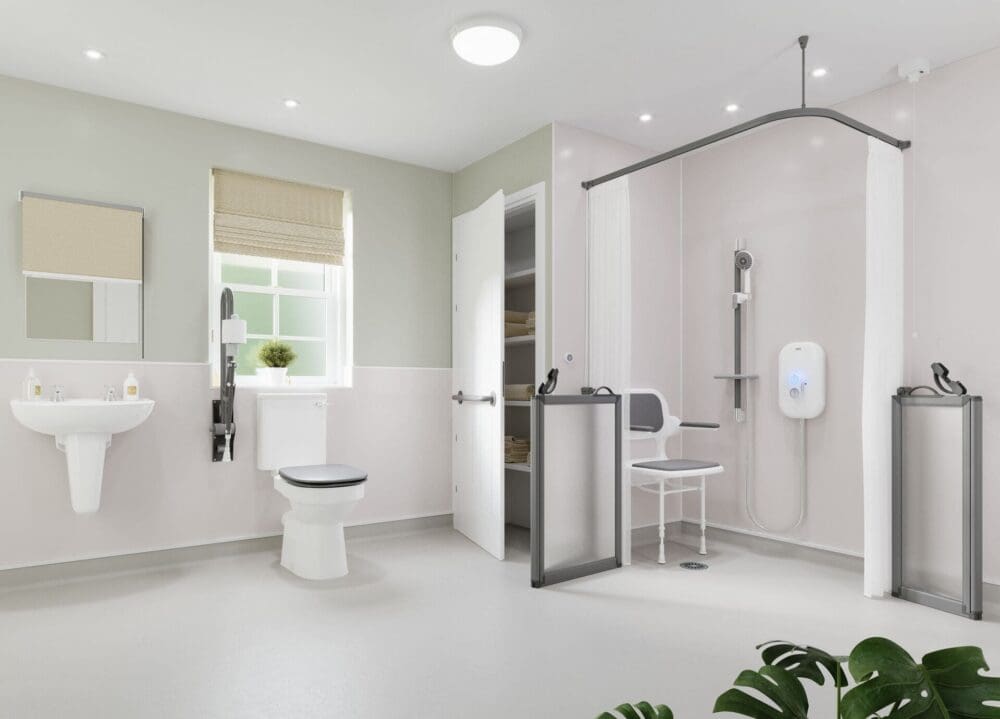
A wet room is a fully waterproofed bathroom space where the entire floor is designed to drain water away, completely eliminating the need for shower trays or enclosures.
Key features include:
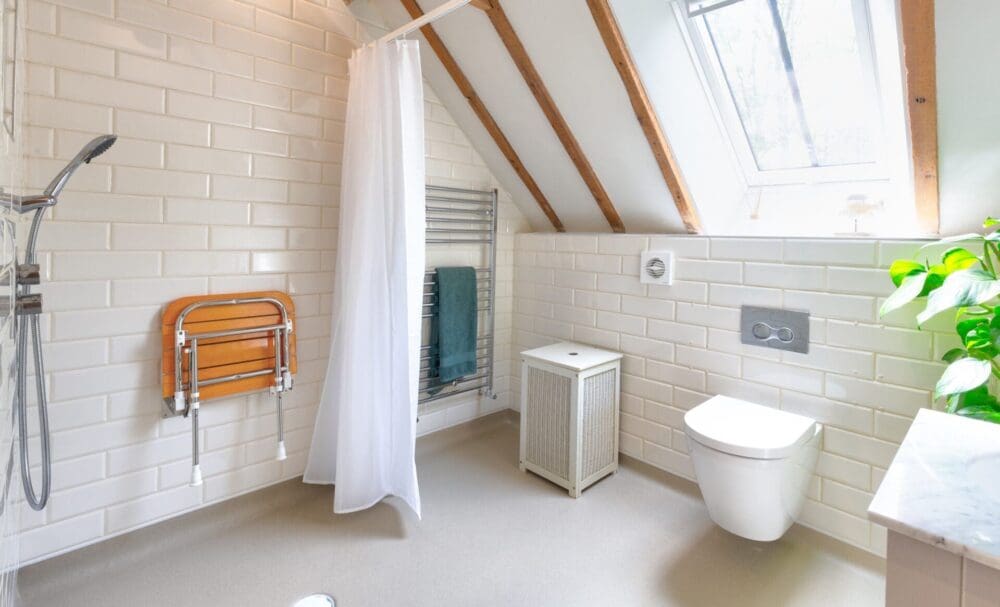
- Level-access flooring throughout
- Comprehensive tanking (waterproofing) of walls and floors
- Anti-slip vinyl flooring
- Central or linear drainage systems
- Complete wheelchair accessibility
The open-plan design of a wet room allows for unlimited space to manoeuvre mobility equipment. Features such as grab rails, wall-mounted shower seats, and body dryers can be positioned anywhere for optimal safety and comfort.
Quick Comparison: Walk in Shower vs Wet Room at a Glance
| Feature | Walk in Shower | Wet Room |
| Installation Cost | From £6,595 | From £12,000 |
| Installation Time | 1-3 days | 5-10 days |
| Waterproofing | Shower area only | Entire room |
| Wheelchair Access | Limited by tray size | Unlimited |
| Maintenance | Standard cleaning | More intensive |
| Space Required | Fits standard bathrooms, can also replace an existing bath or shower area | Can fit into most standard bathrooms |
| Drainage | Shower tray waste | Floor drainage system |
| Accessibility Level | Good | Excellent |
| Resale Value Impact | Moderate increase | Higher increase |
Accessibility and Mobility Benefits of Walk in Shower vs Wet Room
Both options significantly improve bathroom safety compared to traditional bath-shower combinations, but they serve different mobility requirements.
- Walk-in showers excel at providing secure, contained showering with supportive features like integrated seating and grab rails for safely moving around.
- Wet rooms offer superior freedom of movement and eliminate physical barriers entirely, making transfers easier and reducing fall risks.
The choice between a wet room vs walk-in shower tray depends on your specific mobility challenges. Wet rooms generally provide greater long-term flexibility for progressive conditions, while walk-in showers offer excellent accessibility within a more familiar bathroom environment.
Which is Better for Wheelchair Users?
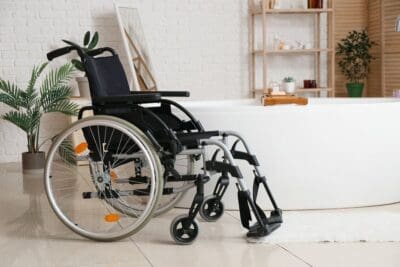
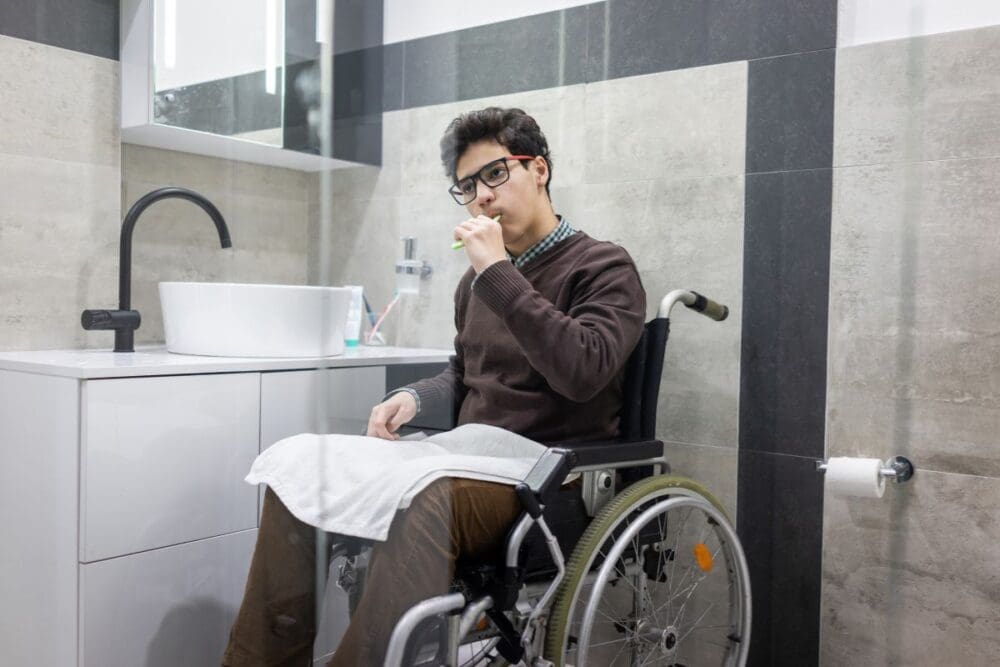
Wet rooms are considered better for wheelchair users because the level-access design allows wheelchairs to roll directly onto the shower floor without obstruction. Wet rooms are also easier for caregivers to access when giving assistance.
Walk-in showers can accommodate wheelchairs if designed with level access trays and wide openings, but shower space limitations often make transfers more challenging. That said, there is the option of choosing specific wheelchair-accessible models with extended floor areas if required.
Future-Proofing Your Bathroom for Changing Needs
Wet rooms offer superior future-proofing for degenerative conditions or anticipated mobility changes, as they accommodate virtually any mobility aid or assistance level. The adaptable space easily incorporates new equipment as needs evolve, like shower chairs.
Walk-in showers provide good future-proofing for moderate mobility changes, but may eventually require conversion to a wet room for significant mobility deterioration. Consider your long-term prognosis, family history of limited mobility issues, and whether you plan to age in place when making this important investment in your independence
Cost of Wet Room vs Walk-In Shower Investment
Walk-in showers typically cost 40-60% less than wet rooms due to simpler installation requirements and fewer structural modifications. There are pros and cons to each, so understanding the differences between wet room vs walk in shower costs is vital when considering which bathroom update best suits you.
Walk in Shower Installation Costs and Pricing
Absolute Mobility’s walk-in showers cost from £6,595 for basic models and small bathrooms, with mid-range options starting at £7,595, and premium mobility showers beginning at £9,000. The final price depends on the specific features, style, and finishes you select.
Wet Room Installation Costs and Budget Considerations
The cost of a wet room begins around £12,000 for basic conversions finished to a high standard and in suitable ground-floor locations. Comprehensive installations including floor lowering, tanking, drainage, floor joist reinforcement or enhanced ventilation systems, can inflate that cost.
Long-Term Value and Return on Investment
Walk-in showers add approximately 3-5% to property values while providing immediate safety benefits. Wet rooms can increase home values by 5-10%, particularly appealing to ageing-in-place buyers and accessibility-conscious purchasers.
Both options reduce potential care costs and prevent bathroom-related accidents, which can decrease your insurance premiums. Quality installations from reputable providers (like us!) maintain value better and require fewer costly repairs over 10-15 year lifespans.
Funding Options and Grants for Accessible Bathrooms
Disabled Facilities Grants provide up to £30,000 for essential adaptations, with eligibility based on disability assessment and means testing. Local council grants vary by region but often cover 50-100% of costs for qualifying applicants. You can also spread the cost of your new accessible bathroom with our easy bathroom finance solutions.
Installation Process: What to Expect
Both installations require careful planning and skilled bathroom installers to achieve the perfect bathroom for you and your family.
Our professional assessments determine the feasibility of a wet room vs walk in shower for your home, identify any potential complications in advance, and establish realistic timelines to give you ultimate peace of mind.
Walk in Shower Installation Timeline and Requirements
Walk-in shower installations are typically completed within 2-4 days for straightforward replacements. Complications such as hidden pipework, asbestos discovery, or structural modifications can sometimes extend this timeframe, but we take pride in keeping each and every customer informed throughout every step of the bathroom renovation process.
Wet Room Installation: Waterproofing and Floor Preparation
Wet room installation spans 7-14 days, depending on complexity and drying times. Critical stages include drainage installation, waterproofing testing, and anti-slip flooring application. Again, we will go through all of this with you well in advance so that you can prepare before we set to work. Transparency is one of the most important aspects of our customer care.
Disruption Levels and Planning Considerations
Walk-in shower installations cause slight disruption, and bathroom unavailability is kept to a minimum.
Installing a wet room creates slightly more disruption, but we will prioritise ensuring that you can remain comfortable in your own home throughout the work.
Our professional bathroom installers will give you a comprehensive overview of what to expect so that you can plan for every stage.
Building Regulations and Planning Permission
Most walk-in shower installations fall under permitted development, only requiring Building Control notification for electrical and structural work.
Wet rooms may need Building Regulations approval for drainage, waterproofing, and structural modifications. Planning permission is rarely required unless external changes affect the property’s appearance. Listed buildings and conservation areas may need additional consents.
Space Requirements: Making the Most of Your Bathroom
When it comes to creating an accessible and stylish bathroom, understanding how walk-in showers and wet rooms optimise space is key to making the right decision for your needs.
Minimum Space Needed for Walk-in Showers
Walk-in showers are inherently adaptable, with slimline trays and optional screens that can be fitted into corners, recesses, or more central areas throughout the rest of the bathroom. Their design flexibility makes them a reliable choice for smaller bathrooms, offering reduced step heights and easy entry without the need for major renovations. By choosing shallow trays and sleek glass panels, even modest spaces can feel more spacious, safe, and modern.
Wet Room Space Planning and Layout Options
Wet rooms might require careful preparation, but their open-plan design offers superb adaptability to make a beautiful, stylish space. Optional glass panels can be added to contain splashes in busy households, and you can select more creative design choices to personalise, such as wall-hung furniture and floor-to-ceiling tiling.
Small Bathroom Solutions: Which Works Best?
In compact bathrooms, both walk-in showers and mobility wet rooms can provide smart solutions.
Walk-in showers are often quicker to install and more budget-friendly, with sliding or folding doors helping to save precious floor space. They are a great option if you want an accessible upgrade without significant building work.
Wet rooms, however, have the advantage of making even the smallest bathrooms feel more open. While they involve a greater initial investment due to waterproofing and flooring adjustments, they offer excellent accessibility, are easy to clean, and have good long-term appeal. For those wanting to future-proof their home with a modern and inclusive design, a wet room may be the best choice.
Safety Features and Design Options
When creating a bathroom that’s both stylish and accessible, safety is always a top priority.
Whether you choose a walk-in shower or a wet room, the right design features can transform the space into a safer bathroom which is easy to use for years to come.
Essential Safety Features for Both Options
Walk-in showers and wet rooms can both be fitted with key safety enhancements to support independent living. Importantly, these features can be built into the design from the start, ensuring they look discreet while still offering excellent functionality.
- Low-level access reduces the risk of trips and falls
- Sturdy grab rails provide reliable support when moving in and out of the shower area.
- Non-slip flooring and clear, uncluttered layouts help create a safer environment overall.
Anti-Slip Solutions and Grab Rail Placement
Flooring is one of the most important considerations in a bathroom. Both wet rooms and walk-in showers benefit from anti-slip finishes that reduce the chance of accidents on wet surfaces. Textured tiles or slip-resistant vinyl are popular, practical choices.
Grab rails should be positioned where they’re most needed – near the entry point, alongside the showering area, or even within the shower itself. With a wide choice of finishes available, safety features can be both supportive and stylish.
Temperature Control and Thermostatic Options
Water temperature is another key aspect of safety. Both wet rooms and walk-in showers can be fitted with thermostatic shower valves, which prevent sudden changes in water temperature and protect against scalding.
Easy-to-use controls with clear markings also make showering more comfortable and accessible for everyone, including those with limited dexterity. These thoughtful details provide peace of mind, ensuring every shower is a safe and enjoyable experience.
Lighting and Ventilation Considerations
Good lighting and ventilation make a big difference to both safety and comfort. Together, these elements help to maintain a bathroom that’s not only safe but also fresh, welcoming, and easy to maintain.
- Bright, even lighting reduces shadows and improves visibility, which is particularly important in bathrooms with older users.
- LED downlights or motion-sensor lights can add convenience while keeping the space well-illuminated.
- Adequate ventilation helps to prevent condensation and mould, which could otherwise create slippery surfaces.
Which Should You Choose: Walk in Shower vs Wet Room?
Deciding between a walk-in shower and a wet room often comes down to your personal needs, your available space, and your long-term goals for your home.
Each option offers excellent accessibility and style, but brings its own distinct advantages. By considering your budget and the way you use your bathroom, you can make a choice that’s both practical and future-proof.
Best Scenarios for Walk In Showers
A walk in shower is ideal if you want a straightforward, low-maintenance bathroom upgrade. They are well-suited for small or medium-sized bathrooms where you want to keep water contained within a specific area. Walk in showers are also a great choice if you’re working with a tighter budget or if you’d like an installation that’s quicker and less disruptive than a full wet room conversion.
When Wet Rooms Are the Right Choice
Wet rooms come into their own when accessibility, style, and a sense of open space are top priorities. They are particularly beneficial for people with limited mobility, as the level-access design removes all barriers. While the initial investment is higher, wet rooms can add value to your home and provide a long-term solution that’s both modern and inclusive. Wet rooms are also an excellent option for smaller bathrooms, as they can make the space feel bigger and more flexible.
Decision-Making Checklist ✔️
- Space: Do you have a compact bathroom where every inch counts, or a larger space with more layout options?
- Budget: Are you looking for a cost-effective solution, or are you happy to invest more for long-term benefits?
- Accessibility needs: Do you require level access now, or are you planning for the future?
- Style preferences: Do you want a defined standard shower area or a completely open, minimalist look?
- Maintenance: Would you prefer a simple installation with minimal upkeep, or are you comfortable with the more thorough waterproofing required for a wet room?
Questions to Ask Before Making Your Choice
- How much space do I realistically have to work with?
- What’s my budget?
- Will this bathroom need to meet accessibility needs now or later?
- How important is ease of cleaning and day-to-day upkeep?
- Am I looking for a quick upgrade or a complete transformation?
- Could this choice add value to my property in the long term?

Working with Absolute Mobility: Your Next Steps
We’re passionate about making a difference in people’s lives and we’d love to help you create the perfect accessible bathroom solution for your unique needs.
Our friendly team understands that choosing between a walk-in shower and a wet room is an important decision that helps you feel safe, comfortable, and independent again. We treat every home like it’s our own and every person like family, which is why people recommend our work and trust us to transform not just their bathrooms, but their lives.
Free Home Assessment Process
Call our friendly team today to arrange a complementary home visit where we’ll spend up to two hours understanding your needs and providing honest, straightforward advice that aligns with your budget and preferences. The answer to the walk in shower vs wet room dilemma will be solved!
During this free assessment, we take accurate measurements, evaluate your current bathroom setup, and discuss your mobility requirements without any pressure or sales tactics.
We’re committed to offering genuine solutions that are right for you – whether you choose a walk in shower vs wet room, we won’t install anything unless it’s the perfect fit for your situation. After our visit, we’ll provide tailored options that make your daily bathroom experience safer, easier, and more enjoyable, because for us, it’s about transforming lives through thoughtful, personalised, accessible bathroom solutions. We can’t wait to meet you and help you find the perfect bathing solution for you and your home, get in touch today!