When bathroom space is at a premium, a small disabled wet room layout offers an ingenious solution that combines accessibility with efficiency. Unlike traditional bathrooms, wet rooms eliminate trip hazards and maximise usable floor space – perfect for wheelchair users or anyone with mobility challenges. In this guide, we’ll explore how to design a functional, safe small disabled wet room layout, plus practical alternatives when a wet room isn’t feasible for your home.

Understanding Small Disabled Wet Room Layouts
For a small bathroom space, particularly those with unusual shapes or severely limited square footage, a small disabled wet room layout offers an ingenious solution.
A wet room combines accessibility with spatial efficiency – the entire room becomes a showering area while maximising usable floor space. Unlike traditional bathrooms, once showering is finished, the wet room area can be used for other tasks, creating a sense of spaciousness that smaller bathrooms desperately need. This makes a small disabled wet room layout particularly effective for wheelchair users and those with mobility challenges seeking both independence and practicality.
Designing a Small Disabled Wet Room Layout: Key Considerations
When planning a small disabled wet room layout, several critical design elements must be considered to ensure both functionality and safety.
A wet room requires a very slight gradient across the entire floor space so water runs towards the drainage point. This is a crucial consideration that may require excavating the bathroom floor if over a concrete slab, or cutting joists if installed on a suspended floor. In many cases, wet room installation will be possible, but in some leasehold properties or apartments, it may not be permitted, so check your building regulations early.
Slip-Resistant Flooring for Wet Rooms
Safety is paramount in any small disabled wet room layout. Tiles with a PTV value of 36+ are recommended for wet areas due to their high slip resistance; they may be referred to as R11 or R12, though the British standard typically uses PTV.
Selecting the right anti-slip flooring is one of the most important decisions in creating a functional, safe wet room.
Grab Bars & Wall Space in Wet Room Layouts
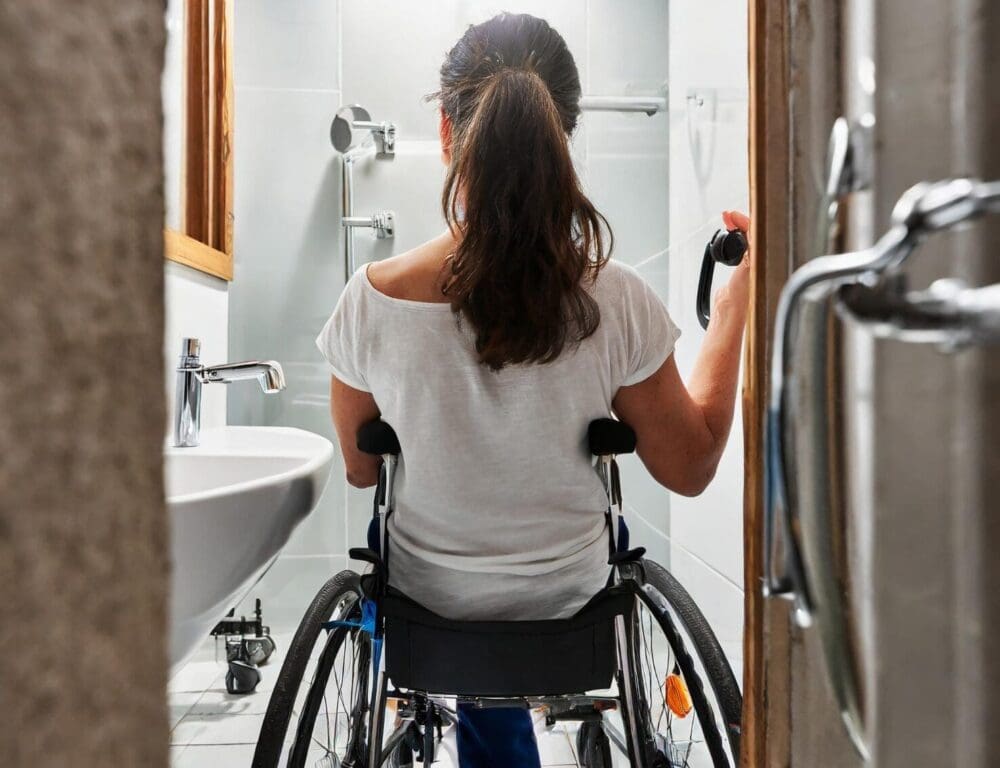
Accessible wet rooms offer ample wall space for grab rails, which are essential for support and safety.
When designing a small disabled wet room, consider the placement of grab bars; they should be positioned logically along movement pathways and at appropriate heights for wheelchair users. Fold-down grab bars can save additional space when required, and contrasting colours enhance visibility whilst adding individuality to the overall design.
Drainage Solutions for Small Spaces
Wet rooms can be installed in any part of a building, provided the services in and out are suitably located. Usually, the main consideration is drainage. Careful planning of your drainage point will influence where you position the gradient, which in turn affects furniture placement and overall layout flow. This is why professional design advice is crucial when planning a small disabled wet room layout.
Showering Options Within a Wet Room Layout
If you’re still deciding between a dedicated wet room and other bathing solutions, consider these alternatives:
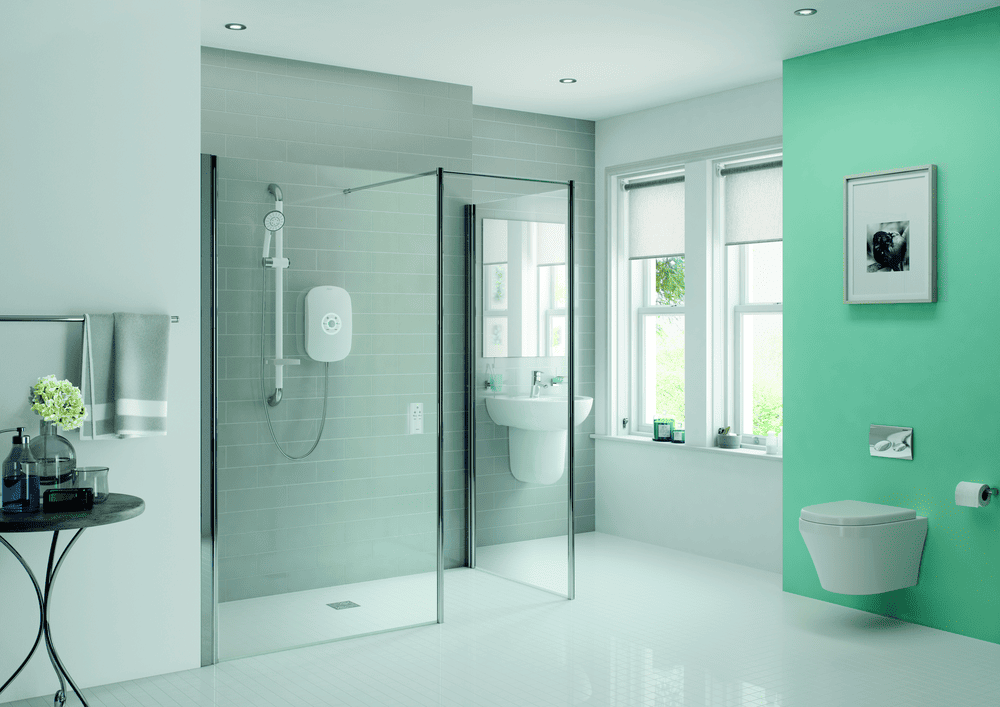
Level-Access Showers as an Alternative
Sometimes it is not practical to specify a full wet room within a small bathroom, particularly in leasehold properties.
A level-access shower with a wheelchair-compatible shower tray offers many of the same accessibility benefits. The Onyx Exclusif shower tray, for instance, offers a maximum capacity of 31.5 st (200kg) and can be ordered in various sizes, with a tray depth of 26mm, ideal for recessing into the floor for completely level access.
Half-height folding shower screens are available to enable carer access during bathing.
Walk-In Baths for Limited Spaces
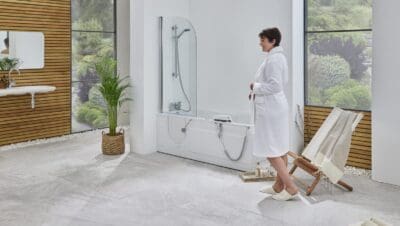
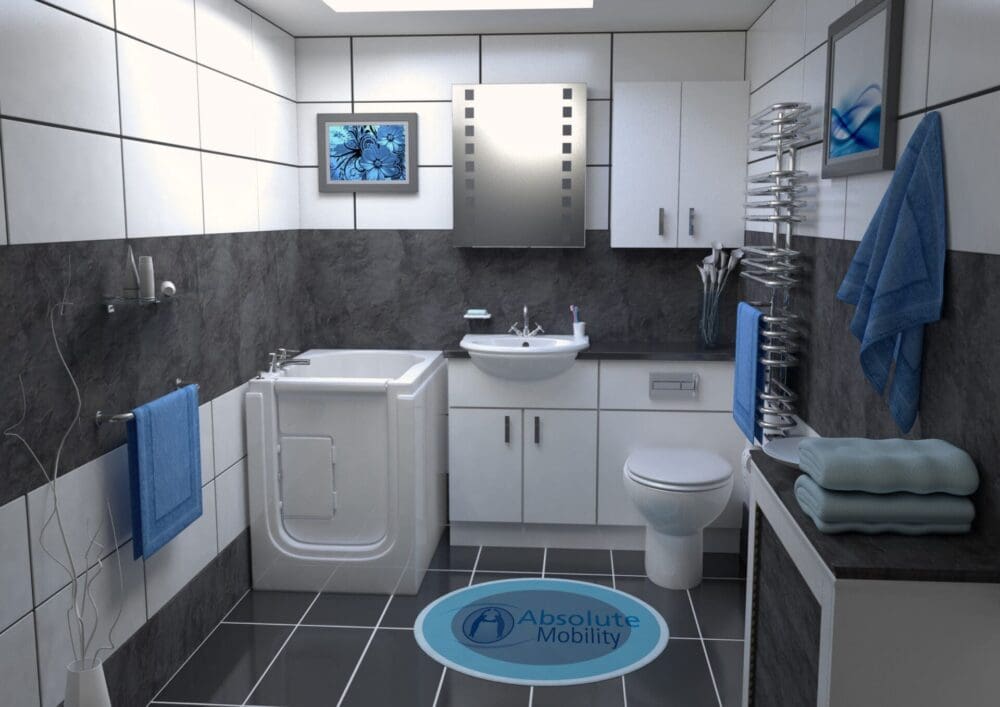
For those unable to use a wet room layout, walk-in tub-style baths offer a compact alternative. These are significantly shorter than standard baths (typically around 1200mm or less), with some models only 1 metre (1000mm) long, such as the Athena Mini.
The Maestro walk-in bath is just 900mm long, making it suitable for people under 5ft 6 inches tall. The moulded seat allows bathers to get up and down from a comfortable seated position, with a door providing easy step-in access at a threshold height of around 8-9 inches (200-230mm). For wheelchair users, the seated position is often similar in height to a standard wheelchair, easing the transition process.
Space-Saving Fixtures for Small Disabled Bathrooms
Beyond the main bathing solution, several space-efficient fixtures maximise functionality in tight spaces:
Folding Grab Rails
Essential for support and safety, fold-down grab bars save valuable floor space when not in use. Specify contrasting colours to enhance visibility and add design interest.
Smart Toilets & Electronic Bidets
A popular option for disabled users, electronic bidet toilets bring together toilet, bidet, and dryer functionality in one space-saving solution. Smart systems like the Closomat use water for cleaning and drying, eliminating the need for toilet paper whilst supporting more independent living.
Ensure your accessible toilet complies with building standard DIN 18040-2, which includes specific features such as required movement space, seat height, and support handles.
Accessible Shower Mixers
Thermostatically controlled shower mixers deliver water at reliable temperatures – a key safety feature for wheelchair users. Options range from power showers for gravity-fed systems to smart shower systems controllable from your smartphone.
When a Wet Room Layout Isn’t Possible
Where a small disabled wet room layout simply isn’t feasible due to building constraints or leasehold restrictions, consider these alternatives:
- Taking down walls and expanding into an adjacent room can significantly improve quality of life, though this is a major adaptation.
- A free-standing shower cubicle could be positioned in the corner of a large bedroom.
- Some individuals are converting garages or unused bedrooms into combined bathroom spaces to maintain independence at home -while drastic, this can be more cost-effective than moving to a care facility.
Get Expert Advice on Your Small Disabled Wet Room Layout
If you or somebody you care for is considering adapting their current bathroom into a small disabled wet room layout, contact our accessible bathroom experts for tailored advice.
We can provide a downloadable brochure or arrange a no-obligation home visit to discuss your specific space constraints and accessibility needs. We have an extensive portfolio of small disabled wet room layouts we can share, demonstrating how we’ve successfully integrated accessible bathing features into even the most challenging spaces.
FAQs: Small Disabled Wet Room Layouts
What is the minimum size for a disabled wet room?
There’s no strict minimum, but a small disabled wet room layout typically works best in spaces at least 1.5m x 1.5m (roughly 2.25 sqm). However, wet rooms can be installed in smaller or irregular-shaped spaces- the key is ensuring adequate gradient for drainage and sufficient space for wheelchair manoeuvring. A professional survey is essential to determine if your space is viable.
What is the smallest space for a wet room?
The smallest functional accessible bathroom depends on the fixtures chosen. A compact wet room layout can work in spaces under 2 sqm, while a walk-in shower with accessible toilet and basin requires approximately 1.8m x 1.8m minimum. Wheelchair users need a turning radius of around 1.5m in diameter, which influences the practical minimum.
How to make a disabled wet room look nice?
It’s a myth that disabled wet rooms have to look clinical, certainly when you choose Absolute Mobility! Combine functionality with aesthetics: specify high-quality slip-resistant tiles in neutral or contemporary colours rather than clinical white. Ensure good natural lighting where possible, add a feature wall, consider waterproof paint or cladding finishes, and choose modern mixer taps and accessories. Good design means accessibility doesn’t look institutional.
How much does a small disabled bathroom cost?
Small disabled wet room layout costs vary considerably depending on existing infrastructure, but expect £8,000–£15,000+ for a professional installation including structural works, waterproofing, tiling, fixtures, and plumbing. Those requiring excavation or floor joists cutting will cost more.
How long does it take to install a disabled wet room?
A straightforward small disabled wet room layout typically takes 2–4 weeks from start to finish, including any structural work, waterproofing, tiling, and fixture installation. Complex projects requiring drainage reconfiguration or floor excavation can extend this to 6–8 weeks. Leasehold properties may face additional delays for approvals.
Can you install a wet room in a leasehold flat?
Many leasehold properties restrict wet room installation due to (unfounded!) concerns about water damage to properties below. However, it’s not automatically prohibited – check your lease terms and seek written permission from your freeholder and leaseholder insurance provider before proceeding.
What are the best grab bar placements in a small wet room?
Position grab bars along the entry path, beside the shower area at comfortable heights (typically 760-860mm), and near the toilet if included. In a small disabled wet room layout, strategic placement maximises safety without cluttering the space. Fold-down rails save space while maintaining accessibility. Consult a specialist to ensure placement suits the individual user’s mobility needs.
Do you need planning permission for a wet room conversion?
In most cases, converting a bathroom to a wet room doesn’t require planning permission in England, Wales, or Scotland – it’s typically considered permitted development. However, listed buildings, conservation areas, and some leasehold properties may have restrictions. Always check with your local authority before starting work.