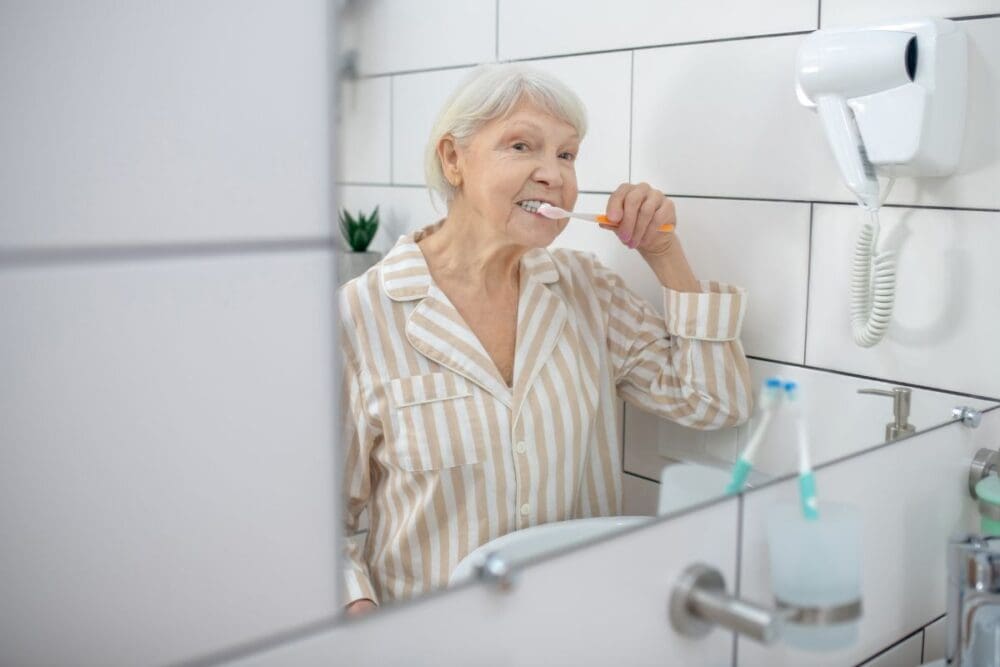
Did you know that falls are one of the biggest dangers seniors face, taking the lives of 32,000 people every year? What’s even more heartbreaking is that most of these accidents (around 60%) happen right at home, with the bathroom being one of the riskiest places. On top of this, studies even report that 3 in 5 disabled people have difficulties accessing their own bathrooms.
But here’s the good news: with the right safety adaptations, you can help protect your loved ones and give them the confidence to move around safely. Let’s explore some of the best bathroom upgrades that can make a real difference in keeping seniors independent and secure at home!
11 Essential Bathroom Adaptations for Elderly Safety
Bathrooms can be surprisingly dangerous for seniors. Slippery floors, tricky transitions between sitting and standing, and a lack of proper support make it one of the riskiest rooms in the house. But with the right safety features – like grab rails, shower seats, and accessible toilets – you can help prevent accidents before they happen.
When seniors feel secure, they can go about their daily routines confidently without worrying about falling. And for their loved ones, that peace of mind is priceless.
1. Walk-in Baths and Accessible Showers
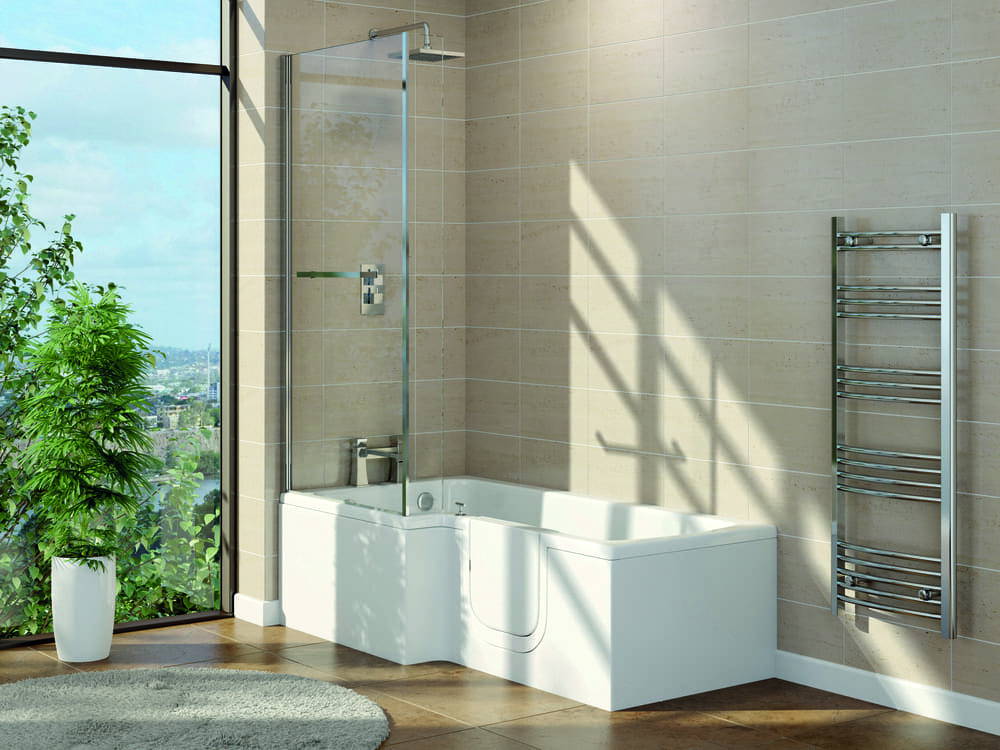
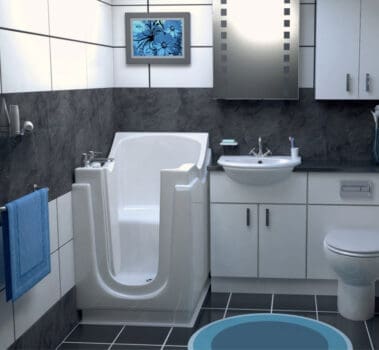
A well-designed bathroom adaptation can make a world of difference in the daily lives of older adults. From level access showers to spacious walk-in baths, these thoughtful upgrades provide both comfort and safety.
Built-in seating and bath lifts are easy to install and offer a secure and stable way to bathe without the challenge of lowering oneself to the floor. Easy-to-reach shower controls reduce the need for awkward stretching or twisting, helping to minimise the risk of falls. Many accessible baths and walk-in showers also include hydrotherapy features, which can provide soothing relief for joint pain and promote better circulation.
With the right adaptations, the bathroom becomes a space of independence, relaxation, and peace of mind.
2. Grab Rails and Support Bars
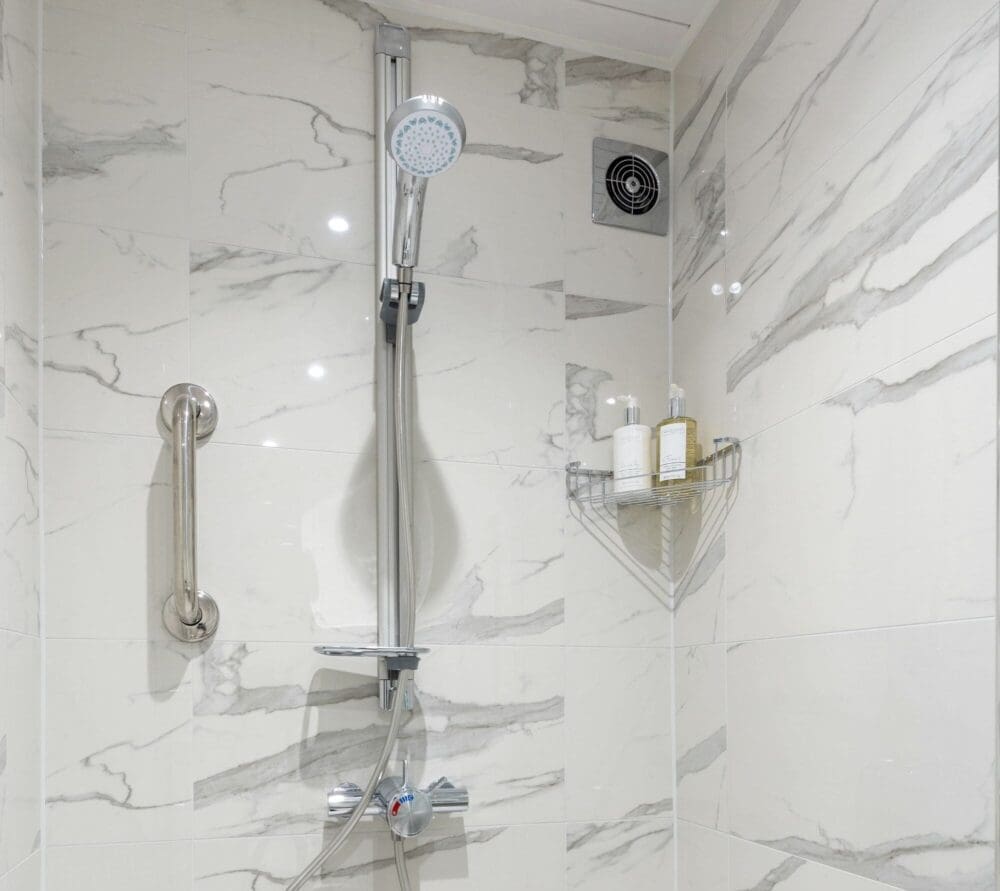
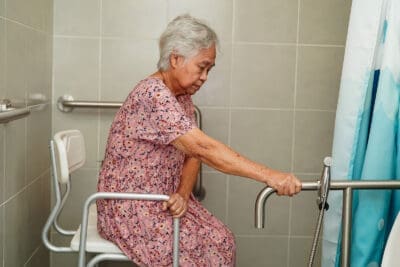
Bathroom grab rails are one of the simplest yet most effective home adaptations for improving safety and confidence. These sturdy support bars provide a secure anchor when transitioning between sitting and standing, making them an ideal solution for those with balance or mobility challenges.
Easily installed in most bathrooms, grab rails can be placed near toilets, or in the shower area to assist with safe movement. They help prevent slips on wet surfaces and offer a reliable gripping point in case of a loss of balance.
3. Anti-Slip Flooring
Non-slip bathroom flooring adds an extra layer of safety by providing better grip in wet and humid conditions, helping to prevent slips and falls when stepping in and out of the shower or bath. Designed to work seamlessly with mobility aids like walkers and canes, anti-slip flooring offers stability whether barefoot or wearing footwear.
For even greater confidence, the integral slip-resistant surfaces on our shower trays allow older adults to move more freely without the fear of slipping. By reducing anxiety around wet surfaces, this simple upgrade encourages independent bathroom use and helps those with mobility challenges maintain their daily routines with ease.
4. Accessible Toilets
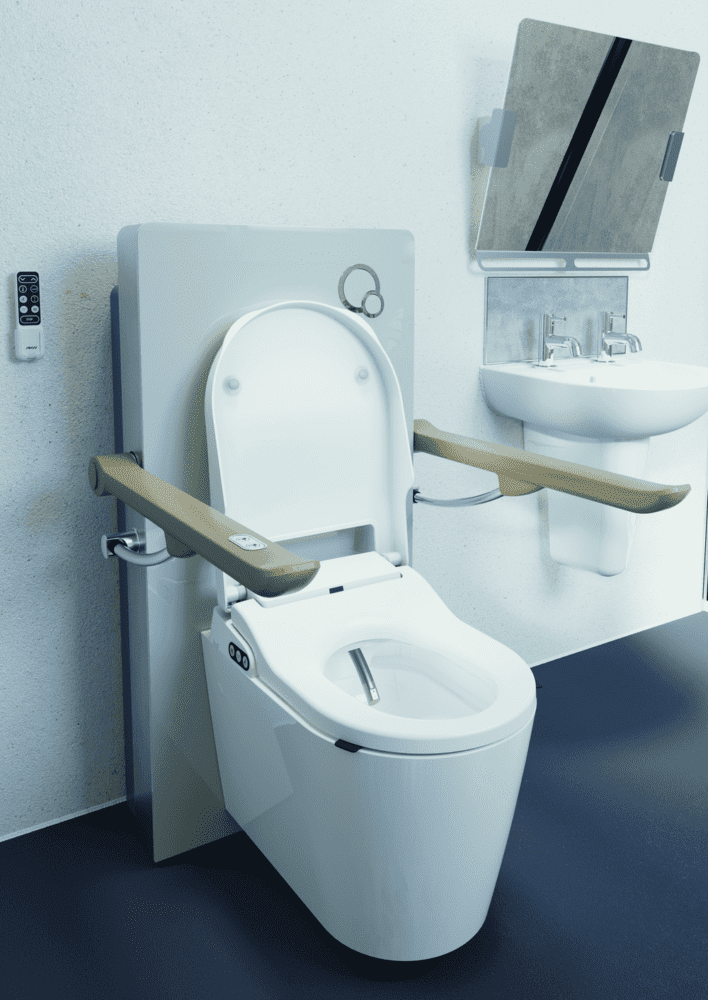
Accessible toilets provide a smart and practical solution for older adults and those with limited upper-body mobility. Designed with ease of use in mind, features like one-touch elbow-pad triggers make flushing simple, even for individuals with reduced strength or dexterity.
By promoting independence, these toilets help reduce reliance on caregivers, allowing users to maintain dignity and confidence in their daily routines. Many models also include built-in washing and drying functions, eliminating the need for uncomfortable reaching or wiping—an especially valuable feature for those with arthritis or mobility challenges. With the right adaptations, the bathroom becomes a more accessible and empowering space for everyone.
5. Accessible Basins
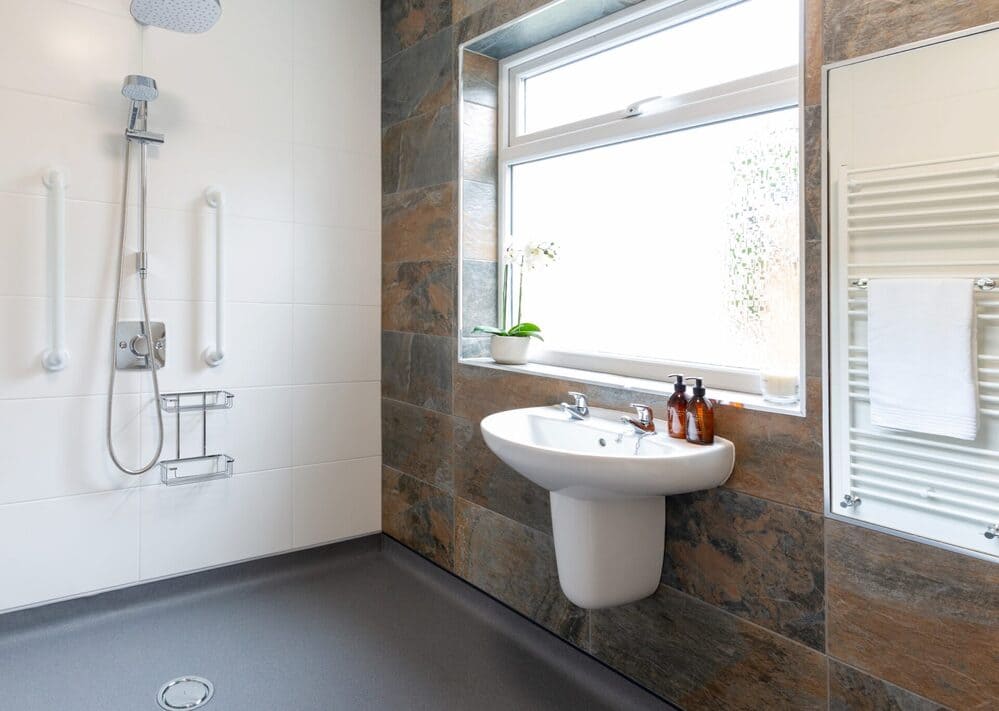
Half-pedestal basins offer a practical and accessible solution for wheelchair users and those who prefer to sit while using the basin. Unlike full pedestal designs that extend to the floor, these basins provide open space underneath while neatly concealing plumbing for a sleek and functional look.
By installing an accessible basin, the bathroom becomes more comfortable for older adults, individuals with disabilities, and those with limited mobility. The streamlined design also makes cleaning the floor easier, helping to maintain a safer, more hygienic environment. With the right setup, everyday routines become simpler and more convenient.
6. Improved Lighting
Good visibility is essential for safe and confident movement at home, helping people maintain balance and stability as they navigate their space. While falls can happen to anyone, older adults are especially at risk, making proper lighting a key factor in fall prevention.
Balanced lighting helps reduce harsh shadows that can be disorienting, particularly for those with cognitive impairments. Bright, clear lighting around the toilet, basin, and shower ensures seniors can accurately judge distances and surface changes. Motion-activated night lights or soft, low-level lighting provide gentle guidance during nighttime bathroom visits—offering safety without the discomfort of harsh glare. With thoughtful lighting, every step feels more secure.
7. Shower Seats
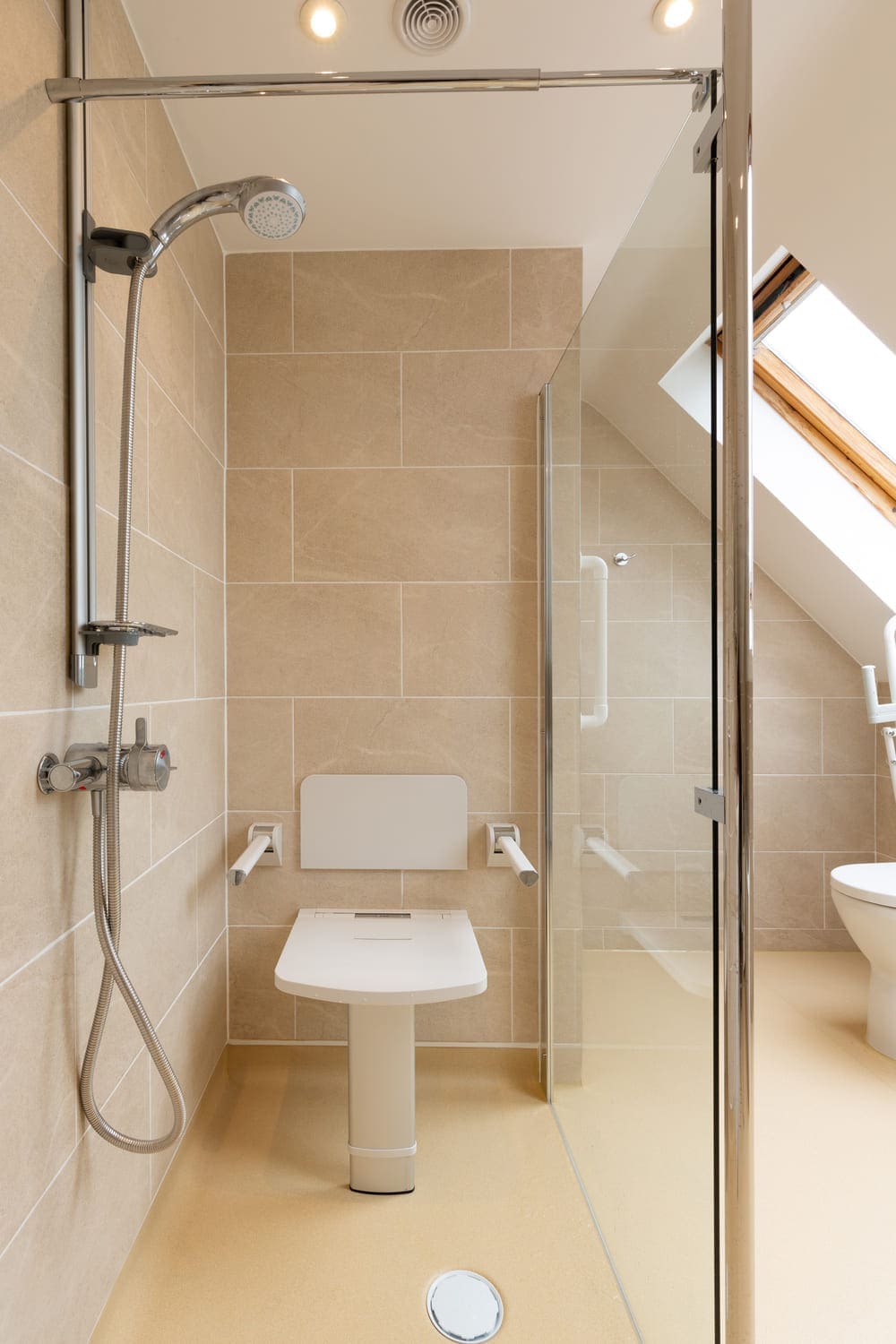
Showering seats provide a safe and comfortable solution for those who find standing on slippery surfaces challenging. By offering a secure place to sit, they make personal hygiene easier and less physically demanding, allowing older adults to bathe with confidence and ease.
Many models come with adjustable heights, non-slip surfaces, and drainage holes to prevent water buildup. Some even include built-in armrests for added convenience. Whether it’s a simple wooden stool or a padded shower seat with supportive armrests, these essential bathroom aids offer stability, comfort, and peace of mind—making daily routines safer and more enjoyable.
8. Body Dryers
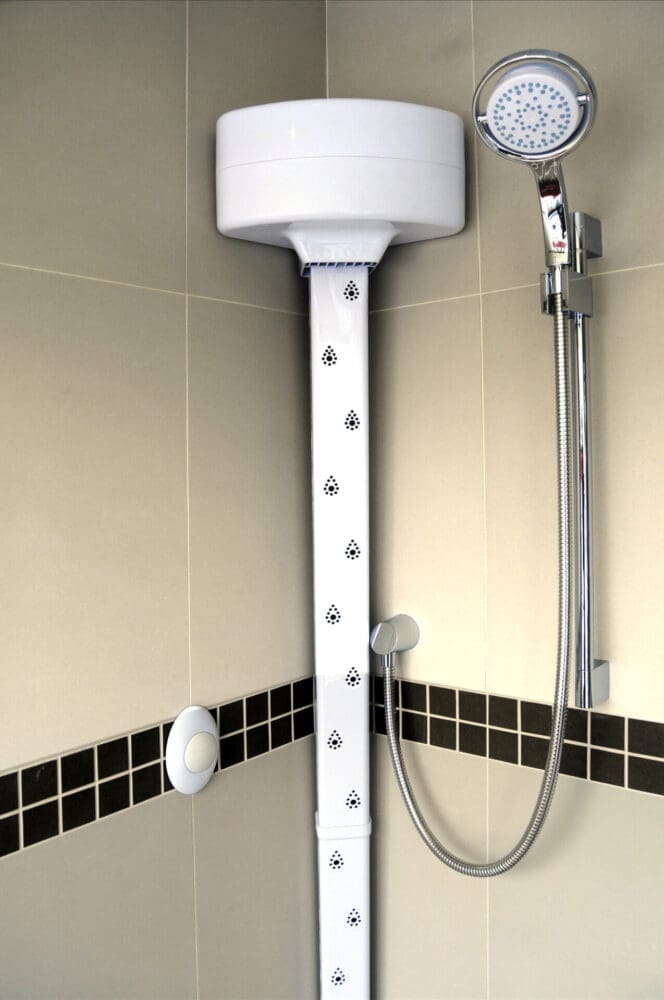
Wall-mounted bathroom body dryers provide a simple, hands-free solution for those with limited mobility, making it easier to dry off independently after a shower. By eliminating the need to reach awkward areas or balance on one foot, they offer a safer, more comfortable alternative to traditional towel-drying -helping older adults maintain both independence and dignity.
The gentle, warm air is especially beneficial for individuals with sensitive skin or conditions like eczema, providing a soothing and hygienic drying experience. Plus, these eco-friendly dryers help prevent mould, mildew, and limescale buildup, keeping the bathroom fresher and cleaner.
9. Temperature Control Systems
Advanced thermostatic controls on mixer showers provide a crucial layer of safety by maintaining a steady water temperature and quickly adjusting to pressure changes. This prevents sudden temperature spikes that could lead to burns or shock, making showering safer and more comfortable.
For older adults, these controls are especially important, as ageing skin is more sensitive to extreme temperatures, and reaction times may be slower when encountering hot water. With smart bathroom adaptations, elderly people can enjoy a safer shower experience without the worry of unexpected temperature changes.
10. Bathroom Door Adaptations
Wider bathroom doorways make it easier for those using walkers or wheelchairs to move freely, while offset hinges provide extra clearance without the need for major renovations. Simple upgrades like lever-style handles can also make a big difference, offering an easier grip for individuals with arthritis or reduced hand strength.
For even greater convenience, automatic door openers or power-assist features allow seniors to enter and exit the bathroom independently. This is especially helpful when using mobility aids or carrying personal items. With these thoughtful adaptations, the bathroom becomes a more accessible and user-friendly space, promoting confidence and ease in everyday routines.
11. Emergency Alert Systems
Pull-cord alarms and emergency buttons are essential safety features often found in care homes, but they can also provide peace of mind in private residences. Placed near toilets, showers, and bathtubs, these bathroom alarm systems ensure that help is always within reach in case of a fall or medical emergency.
Many modern systems go even further, offering water-resistant wearable devices that can automatically detect falls and alert caregivers or emergency services—no manual activation needed. With these smart safety measures in place, older adults can feel more secure and independent, knowing that help is just a moment away if they need it.
Safety First: Preventing Bathroom Accidents
Installing well-planned bathroom adaptations is a crucial investment in elderly safety, serving as the foundation for accident prevention in the home. By carefully selecting and implementing the features mentioned above, families can significantly reduce the risk of bathroom-related injuries.
Maintaining Independence and Dignity
Preserving the dignity and independence of our elderly family members allows them to continue to handle intimate care tasks privately and is key to their quality of life. Enabling seniors to manage their hygiene without assistance safely preserves their sense of dignity and reduces their reliance on caregivers for basic daily activities.
Future-Proofing Your Home
It’s never too early to adapt your bathroom for the future. By thoughtfully implementing adaptations like accessible bathrooms, wider doorways, and improved lighting systems now, homeowners can create a living space that seamlessly accommodates changing abilities as they age.
Making these modifications gradually over time spreads out the cost and minimises disruption while ensuring that when additional support becomes necessary, the foundations for independent living are already in place.
Supporting Caregivers
Well-designed bathroom adaptations can significantly reduce the physical and emotional strain on caregivers by making daily care tasks more manageable and safer. By considering caregiver needs in bathroom design, families can create an environment that supports the health and well-being of everyone involved in the care journey.
Conclusion
By taking a proactive approach to home bathroom adaptation, families can create a secure environment that supports both elderly individuals and their caregivers, allowing seniors with mobility issues to age in place safely while maintaining their quality of life.
Our professional, friendly team are ready to guide you towards a new life of independence, comfort and freedom. Get in touch today for support with your bathroom projects. We can visit your home at a time that suits you to learn about your needs and guide you towards the best options to create your dream accessible bathroom.