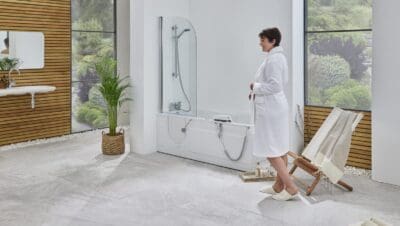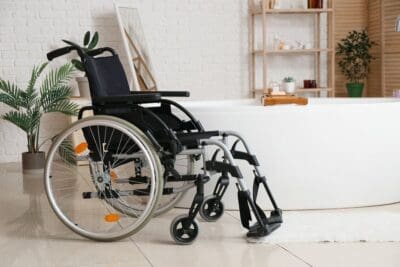
Designing bathrooms for care homes involves much more than meeting minimum standards. These spaces are central to daily life, supporting residents’ comfort, safety, and sense of independence. When understanding care home bathroom requirements, a bathroom becomes more than just a practical space. It’s a place where people can feel comfortable, stay independent, and manage daily routines with confidence.
This guide looks at what care home bathrooms need in the UK. It covers safety, ease of use, and simple design tips. You’ll also find thoughtful touches that help residents feel more at home.
Meeting Regulations and Standards
In the UK, care home bathrooms must meet strict regulations. These aren’t just formalities. They help make sure every resident has a clean, private, and easy-to-use bathroom. The National Minimum Standards and CQC guidance offer a clear plan to follow. They’re there to protect health and support everyday care.
At a minimum, care homes must offer:
- Accessible toilets and washing facilities for all residents
- Fixtures positioned at comfortable heights for those using wheelchairs or mobility aids
- Taps, locks, and controls that are easy to use, even with reduced dexterity
- Clean, well-ventilated spaces that feel homely rather than clinical
- Layouts that prioritise privacy and dignity
Before any installation begins, a full assessment of each resident’s needs should guide the design. This ensures the bathroom can adapt as needs change over time. It might mean adjusting for reduced mobility, cognitive decline, or other health challenges.
Essential Space Requirements
Space planning is the foundation of every safe and accessible bathroom. It’s not enough for a room to look neat, it must also allow for smooth, unhurried movement. Residents may need walking frames, wheelchairs, or a carer’s assistance, so generous room is essential.
Considerations include:
- Wide doorways for easy entry and exit
- Open layouts with no tight corners or awkward obstructions
- A turning circle of at least 1.5 metres for wheelchair users
- Sufficient room for carers to assist from either side of the toilet or shower
- Discreet storage areas for mobility aids, towels, and cleaning supplies
Rooms that feel open and uncluttered make everyday routines simpler and help reduce the risk of trips or bumps along the way.

Safety Features for Vulnerable Residents
Slips, burns, and difficult transfers are common in any bathroom. But for elderly or vulnerable residents, these risks are even higher. That’s why every element should be chosen with safety in mind, without sacrificing comfort.
Key safety features include:
- Non-slip flooring throughout, using materials like textured vinyl or specialist safety tiles
- Grab rails near toilets, baths, and showers to support balance
- Rounded edges on sinks, units, and counters to minimise injury
- Thermostatically controlled taps and showers to prevent scalds
- Clear, tactile labels for those with visual impairments or cognitive challenges
Temperature Control
Temperature regulation is especially important. Sudden shifts in water temperature can be distressing, even dangerous. Fitting thermostatic mixing valves helps maintain consistent warmth, offering reassurance with every wash.

Book your free care home design consultation
Understand how best to create a safe and accessible care home bathroom that supports comfort and independence.
Slip-Resistant Solutions
Wet surfaces are another hazard. While rugs and bath mats may seem helpful, loose items can easily become trip hazards. Instead, go for fixed non-slip options. Textured shower trays, safety flooring, and grip-friendly mats that stay in place.
Emergency Systems
No resident should ever feel vulnerable or alone in a care setting. Emergency call systems provide vital peace of mind. Bathrooms must have a pull cord or button that’s easy to reach, especially from seated positions near the toilet, bath, or floor.
These systems alert staff quickly and also offer comfort to residents and families, knowing help is always nearby if needed.
Which Fixtures and Fittings Does a Care Home Bathroom Need?
Fixtures and fittings set the tone for the space. They need to be easy to use, hygienic, and suited to different levels of ability. National guidance covers the basics, but smart design takes it further. It helps create spaces that are calm, functional, and even enjoyable.
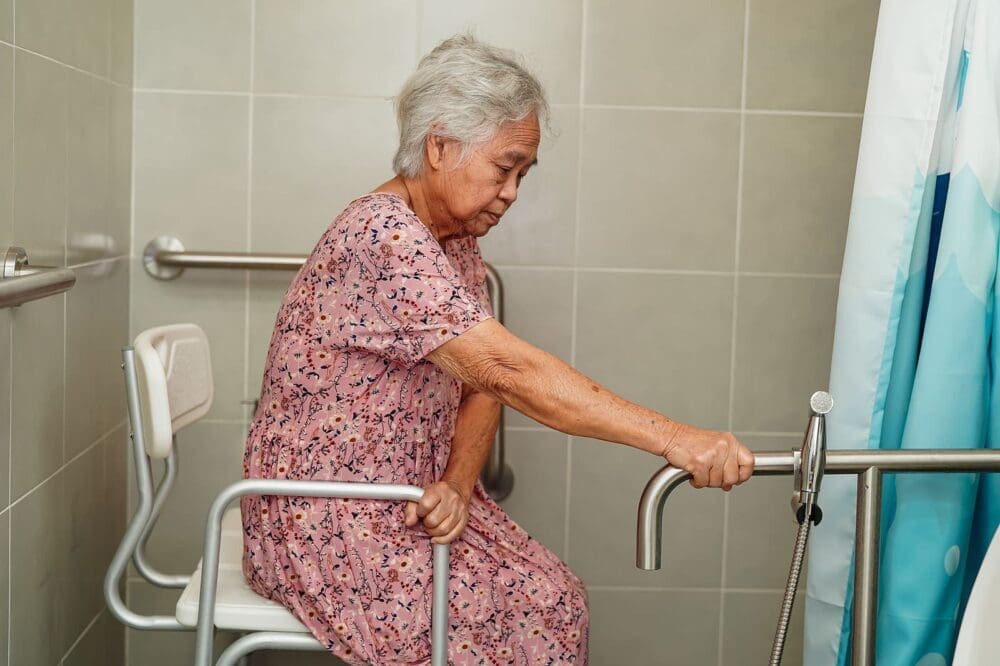
Minimum National Standards for Care Home Bathroom Requirements
Care homes should include:
- One accessible toilet and washing facility for every three residents
- An assisted bathroom on each floor
- Doors that open outward or can be unlocked from the outside during emergencies
Assisted Toilets
Raised toilet seats reduce pressure on joints and make it easier for residents to sit and stand. Fitting support rails on either side offers stability and boosts confidence. Some homes are installing smart toilets with built-in washing and drying systems. These help maintain hygiene and reduce the need for carer assistance.
Washing Facilities
Basins should be positioned at heights suitable for both standing and seated use. Lever taps are ideal—they’re easy to operate with minimal grip. Where possible, opt for height-adjustable sinks to support a wide range of needs. Overflow protection, like flood-proof plugs, helps prevent spills. Keeping soaps, toothbrushes, and other essentials within reach keeps the space tidy and easy to use.
Bathing Options
Not all residents will need or want a bath every day, but options matter. Each floor should offer at least one assisted bathing space. Walk-in baths, power baths with lifts, or wet rooms with level access showers all help cater to different needs.
Wet rooms are increasingly popular in modern care home design. They allow residents to move straight into the showering area without steps or barriers. That’s good news for wheelchair users and carers alike, making the space easier to clean and more efficient to use.
Bathroom Doors
Privacy is crucial, but safety must come first. Care home bathroom requirements state that doors should open outwards. If not, they must be easy to unlock from the outside in an emergency.
Handles should be large and easy to grip, and signage should be clear and intuitive. These touches help residents navigate the space confidently.
Care Home Bathroom Design Considerations for Dignity and Independence
A well-designed bathroom does more than meet physical needs. It supports dignity, confidence, and self-care every day. Understanding care home bathroom requirements is vital for the safety and wellbeing of residents.
Privacy Solutions
Simple touches make a big difference. Frosted glass, lockable doors, and modesty screens protect personal space. Curtains or screens around baths and showers create private areas in shared bathrooms. They give residents privacy while still letting carers step in to help when needed. Privacy in care home bathrooms is essential for residents’ well-being.
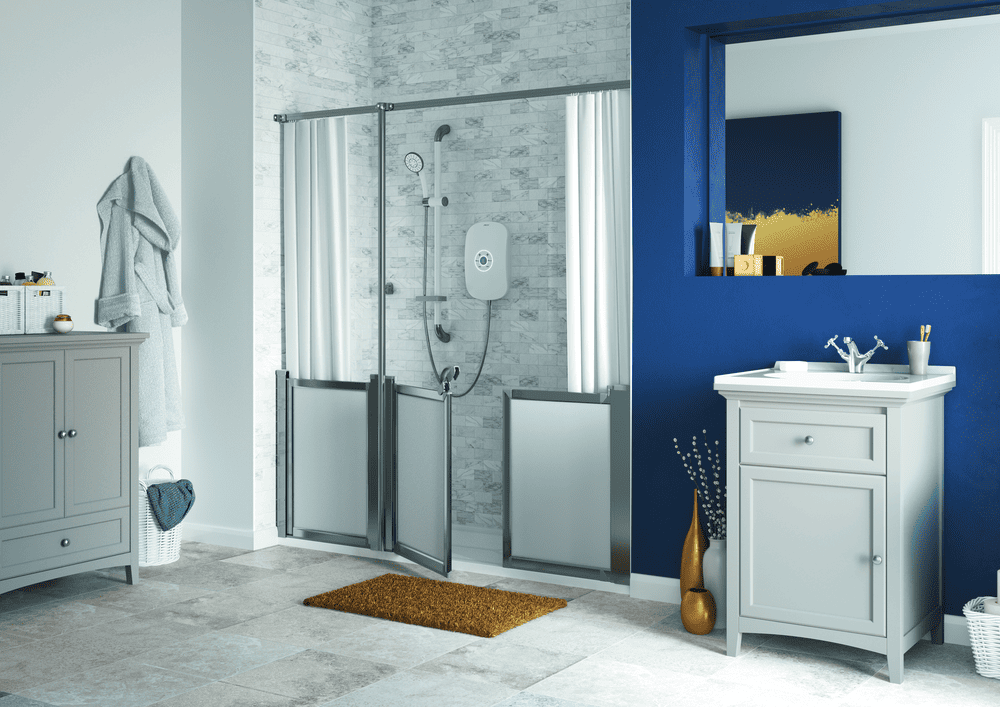
Visual Considerations
Lighting plays a surprisingly important role in making bathrooms feel safe and welcoming. Natural light is ideal where possible, but even artificial light should be bright, evenly distributed, and free from glare.
Use task lighting around mirrors and basins to support grooming and washing. For residents with dementia or visual impairments, avoid harsh contrasts and shadows. Also, skip shiny finishes that can cause confusion. Soft, warm tones feel calming, and colour contrasts between fixtures and walls improve visibility. For instance, a coloured toilet seat can help residents clearly distinguish where to sit.
Dark flooring should be avoided, as it can appear like a hole or drop to some residents. Subtle, matte surfaces work better, especially for those with cognitive challenges.
Specialist Care Requirements
No two residents are the same. Care home bathrooms should be designed with flexibility, allowing for a wide range of mobility and cognitive needs.
Dementia-Friendly Design
For residents with dementia, familiarity is key. That means clear labels, simple layouts, and recognisable fixtures. Avoid mirrors, as reflections can be confusing or distressing. Contrasting colours between the toilet and seat help with orientation. Consistent flooring reduces the risk of trips.
Bariatric Provisions
Some residents require additional space or reinforced fittings. Wider doorways, strong support rails, and sturdy toilet units offer the stability needed for safe bathroom use. Consult with occupational therapists or product specialists when planning bariatric bathroom features.
Bringing in Assistive Technology
Modern solutions can make a meaningful difference. Carefully chosen technology supports both residents and staff by enhancing comfort, safety, and ease of use.
Consider:
- Smart toilets with built-in bidets and automated flush systems
- Motion-activated lighting for safer night-time visits
- Thermostatic controls to prevent water temperature fluctuations
- Flood sensors and alarms to alert staff before minor issues become major problems
These additions don’t need to be high-tech. They are practical changes that support dignity and independence every day.
Practical Maintenance Considerations
In a busy care home, surfaces must be easy to clean, durable, and resistant to wear. Materials should be smooth and non-porous to prevent mould and bacteria build-up.
Hidden plumbing and enclosed pipework protect against burns and make the bathroom easier to maintain. Regular checks of hoists, lifts, and emergency systems are essential. This is especially important for equipment covered by LOLER regulations.
Infection control also depends on consistent cleaning routines. Daily tasks, along with scheduled deep cleans, help keep residents safe and the space looking fresh.
Making Improvements Affordable
Upgrading care home bathrooms doesn’t have to be overwhelming or expensive. Focus first on changes that have the biggest impact on comfort and safety.
Start with:
- Installing grab rails and support bars
- Replacing outdated flooring with non-slip alternatives
- Switching to lever taps and easy-grip handles
- Adding portable shower chairs or modular units that can adapt over time
Working with experienced suppliers helps ensure that improvements are both practical and cost-effective. Phased upgrades allow you to spread out investment while steadily improving quality of life for residents.
Beyond Compliance: Designing for Comfort and Care
A well-designed care home bathroom does more than tick a box. It makes everyday life safer, more comfortable, and more dignified for residents.
When you combine practical features with a people-first approach, you create a space that truly works for everyone and care home bathroom requirements are easily met. Comfort, safety, and dignity aren’t extras. They’re the foundation. Need help designing a bathroom that does it all? Talk to the team at Absolute Mobility. We’ll help you create a space that feels right and works long term.