Experiencing difficulty getting out of the bath is a common problem for people with reduced mobility, balance issues or joint pain. A standard bathtub can quickly become unsafe, increasing the risk of slips and a loss of independence. Fortunately, there are practical solutions that can make bathing safer and more comfortable.
Why People Experience Difficulty Getting Out of the Bath
Reduced Strength and Balance
As mobility declines, lifting your body weight over the side of a bath can be challenging. Weak legs, reduced grip strength, or balance issues can make exiting the bath feel unstable or unsafe. Certain neurological conditions, or even a simple trapped nerve (sciatica), can impact muscle control and sensation, making coordinated movement difficult. This makes it difficult and unsafe to step over a high bath edge or push up from the bottom of the tub.
Joint Pain and Stiffness
Conditions such as arthritis can limit hip and knee flexibility, making it painful to stand up from a seated or lying position in the bath. Recovery from surgery can also make bending, lifting legs, or bearing weight on joints extremely painful.
High Bath Sides
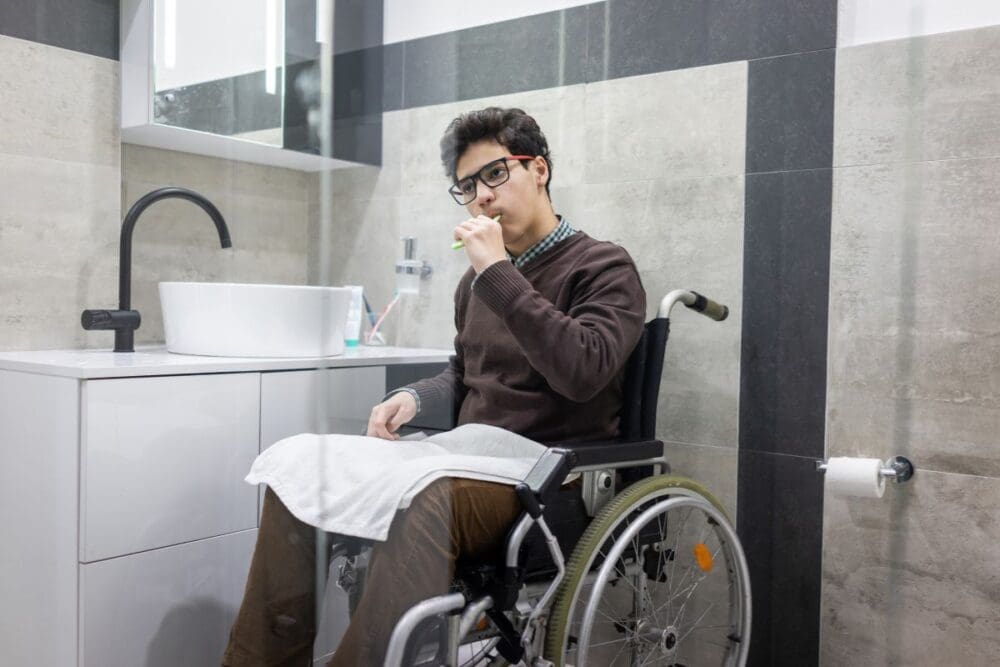
Traditional bathtubs require users to step over a high edge, which can be particularly difficult for elderly or disabled individuals. People with mobility issues often look for ways to work around the problems by adapting their bathing use. Typically, this is done by seeking extra support when stepping over high bath sides by using existing bathroom fixtures as handholds. The trouble with this is that sinks, towel rails, shelves, or radiators are not designed for weight-bearing and can give way at critical moments.
The Risks of Difficulty Getting Out of the Bath
Loss of Dignity and Independence
Struggling to exit the bath can create ongoing anxiety around bathing, with many people worrying about slipping, falling or becoming stuck without help. Over time, this fear may lead to avoiding bathing altogether or washing less frequently, which can impact personal hygiene, comfort and self-confidence. Reduced bathing can also affect mental wellbeing, contributing to feelings of frustration, loss of independence and reduced quality of life.
Increased Risk of Slips and Falls
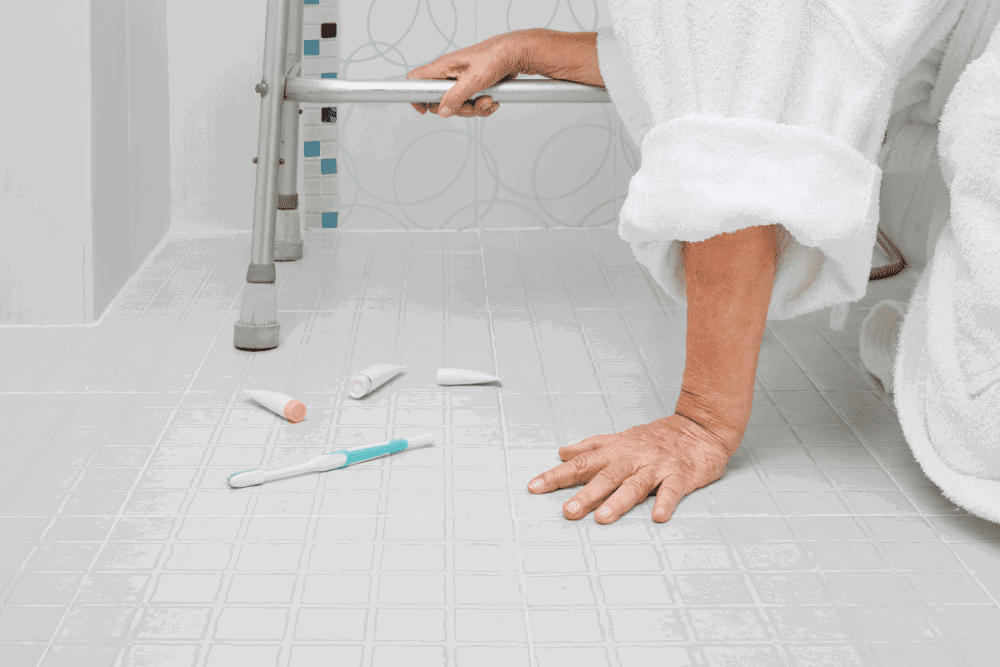
Bathrooms are one of the most common places for falls in the home. Difficulty getting out of the bath significantly increases this risk due to wet surfaces and awkward movements.
Some people try to adapt the way they enter and exit a bath, typically getting out by turning onto their front, getting up onto their knees, and climbing over the bath edge. This can be unsafe, and people getting into the habit of using a bathroom like this are developing bad habits that can result in accidents and injury.
When things begin to reach this stage, it is time to adapt the bathroom rather than adapt how you use it.
Solutions for When Getting Out of the Bath Becomes Difficult
Bath Aids and Mobility Support
Simple aids such as grab rails, bath steps and non-slip mats can provide extra support and stability when getting out of the bath. Inflatable bath cushions and bath seats are sometimes also used and can help you feel more comfortable and stable when bathing.
Walk-In Baths
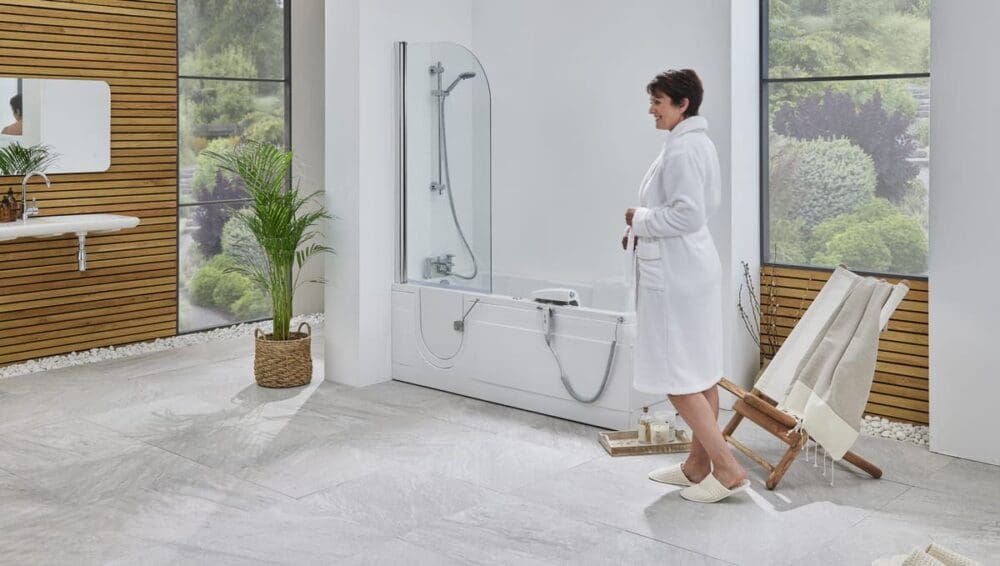
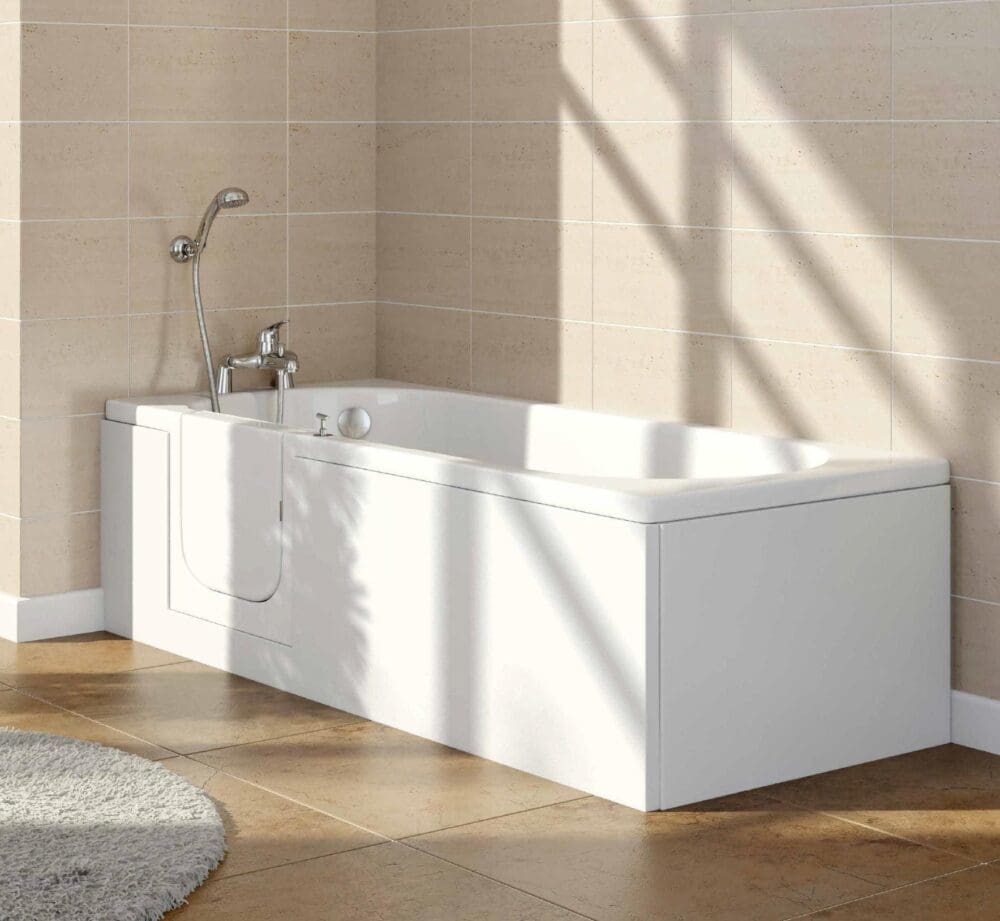
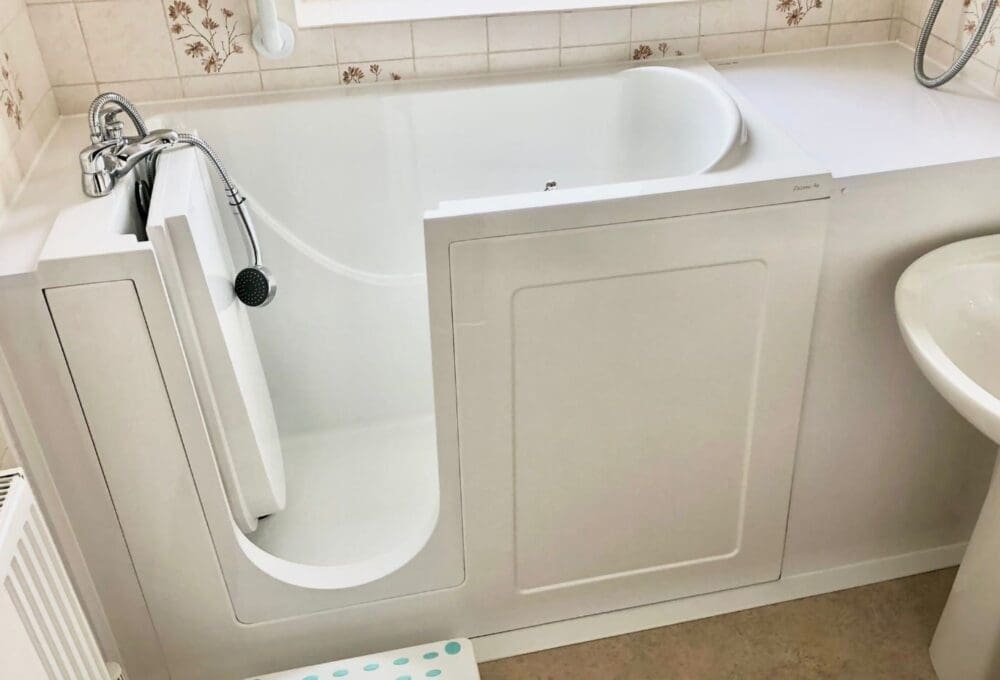
For someone who is still fairly mobile and likes to have a long soak in the tub, a walk-in bath is the ideal solution. These baths come with a door to allow easy access by reducing the threshold to around 8-9 inches. This makes stepping in and out of the bath much easier. With low-level access and built-in seating, they are an effective long-term solution for people with ongoing mobility difficulties.
Walk-in baths can come in a full-length version and look much like a standard full-length bath, such as the Avrail. If someone regularly experiences difficulty getting out of the bathtub, some of these walk-in baths come with power lift seats to provide assistance.
Bath Lifts
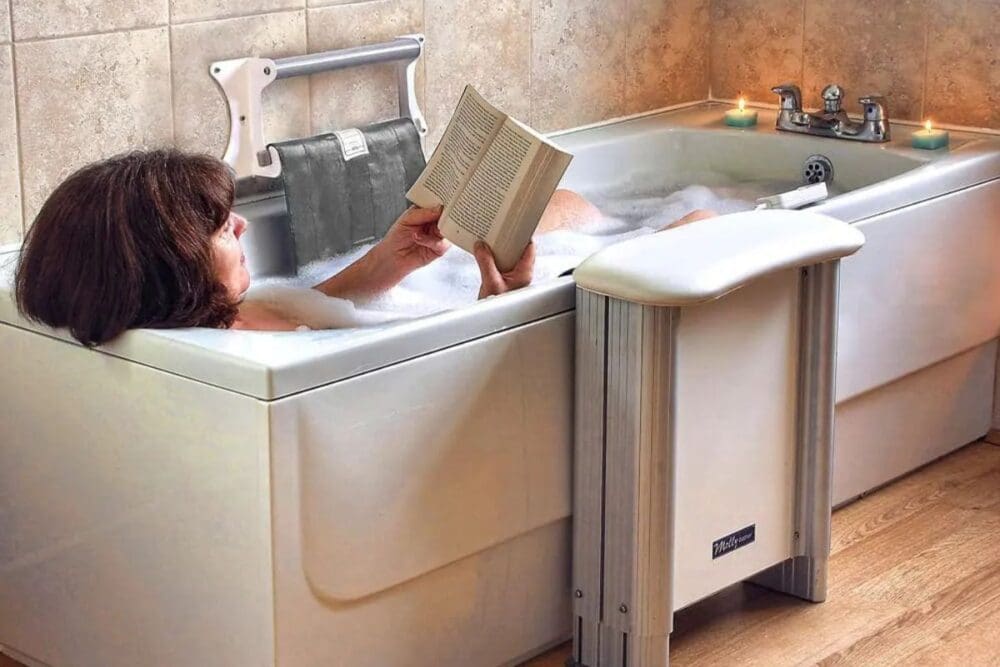
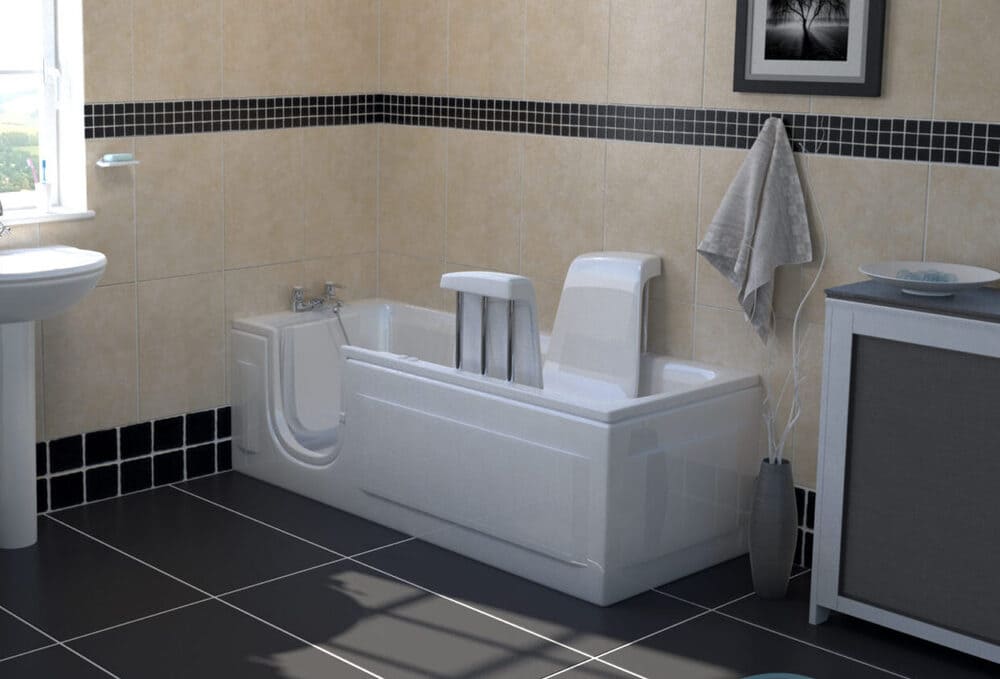
A bath lift is a specially designed device that gently lowers the user into the bath and raises them back out again, eliminating the need to step over high bath sides. Supporting the body’s weight, a bath lift significantly reduces strain on the knees, hips, and back, making bathing more comfortable for people with limited mobility, joint pain, or upper-body muscle weakness. Bath lifts also improve safety by providing a stable, controlled movement, lowering the risk of slips or falls and allowing users to bathe independently and with confidence.
Walk-In Showers
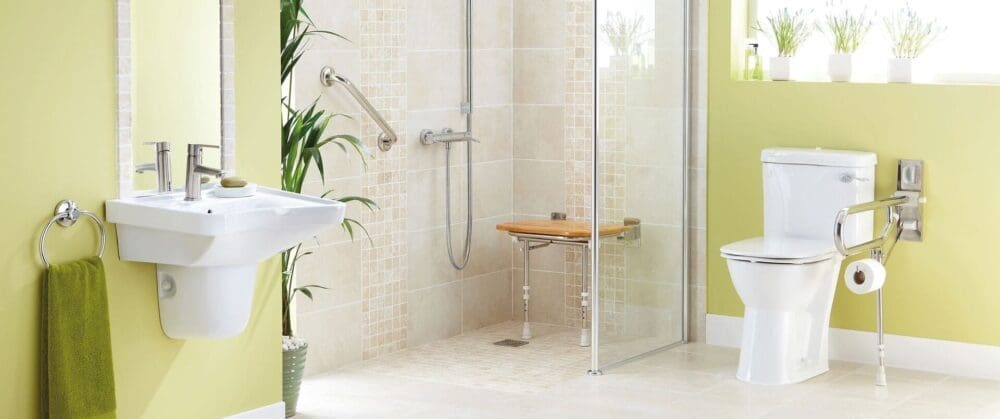
For those who experience difficulty getting out of the bath, a walk-in showercan be a practical alternative. With level access, anti slip flooring, and built-in seating options, walk-in showers reduce the need to climb over high edges, making it easier and safer to bathe. They can help minimise the risk of falls and provide a more comfortable, stress-free bathing experience for people with limited mobility.
Wet Rooms
Mobility wet rooms are fully waterproofed bathrooms with a level floor and walk-in shower area, making them an excellent solution for people who have difficulty getting out of the bath. By removing steps, thresholds, and high bath sides, wet rooms provide easy, barrier-free access and plenty of space for mobility aids if needed. They enhance safety, reduce the risk of slips and falls, and create a more comfortable, stress-free bathing environment, allowing users to maintain independence with confidence.

Overcoming Problems Bathing – A Case Study
For Mrs Dean, a tub-style walk-in bath was the perfect option to help ease her difficulty in getting in and out of the bath, which was caused by lower mobility issues.
Mrs Terry was similarly having issues with her knees and struggled to get in and out of her bath. The Georgia tub-style walk-in bath was the perfect option for her, enabling comfortable bathing in her stunning new bathroom.
When to Consider a Bathroom Adaptation
Ongoing or Worsening Mobility Issues
If difficulty getting out of the bath is becoming more frequent or severe, adapting your bathroom can help future-proof your home and maintain independence.
Wanting to Bathe Without Assistance
Bathroom adaptations allow many people to bathe safely without relying on carers or family members, restoring confidence and dignity.
Regaining Confidence in the Bathroom
Difficulty getting out of the bath doesn’t have to limit your independence. With the right bathing aids or adaptations, it’s possible to enjoy a safer, more comfortable bathing experience while reducing the risk of injury.
If you (or a loved one) are having difficulty getting out of the bath and would like to explore your options, please feel free to get in touch with Absolute Mobility on 0800 2922 110. We offer a free home assessment and quotation service to carefully design a bathroom around your needs.

Frequently Asked Questions
What is the best way for seniors to get out of a bathtub?
The safest way for seniors to get out of a bathtub is to use supportive aids such as grab rails, bath steps, or a bath lift. Moving slowly, keeping the feet firmly on the floor, and using a non-slip mat can also reduce the risk of falls and make the process more comfortable.
How do you get out of a bath with limited mobility?
For people with limited mobility, getting out of a bath safely may involve using a bath lift, installing grab bars, or considering a walk-in bath. These adaptations provide stability, reduce joint strain, and allow for a more controlled exit from the bath.
What exercises help you get out of the bath for seniors?
Gentle strength and balance exercises can make it easier for seniors to get out of the bath. Focus on leg and core strengthening, such as seated leg lifts, calf raises, and supported squats, along with balance exercises like standing on one leg while holding a stable surface.
Do people with ADHD prefer baths?
Preferences for baths or showers among people with ADHD vary individually. Some find baths calming and helpful for relaxation, while others may prefer the quick stimulation of a shower. The choice often depends on personal routines and sensory needs rather than mobility limitations.
How can I make bathing safer for the elderly?
Installing grab rails, non-slip mats, bath steps, or a walk in bath can greatly improve safety. Regularly checking water temperature, keeping essential items within reach, and ensuring good lighting also reduce the risk of slips and falls.
Are walk-in baths better than traditional tubs for people with limited mobility?
Yes, walk-in baths remove the need to climb over a high edge, making entry and exit much safer. They often include built-in seating, grab handles, and easy-to-use controls, making them ideal for those with mobility challenges.
Can bathroom adaptations help reduce fall risks for seniors?
Absolutely. Adapting a bathroom with non-slip flooring, level-access showers, grab rails, and bath lifts significantly lowers the risk of falls. These changes allow seniors to bathe safely and confidently.